Reading the Ground — London · Chapter 7 · The Final Chapter
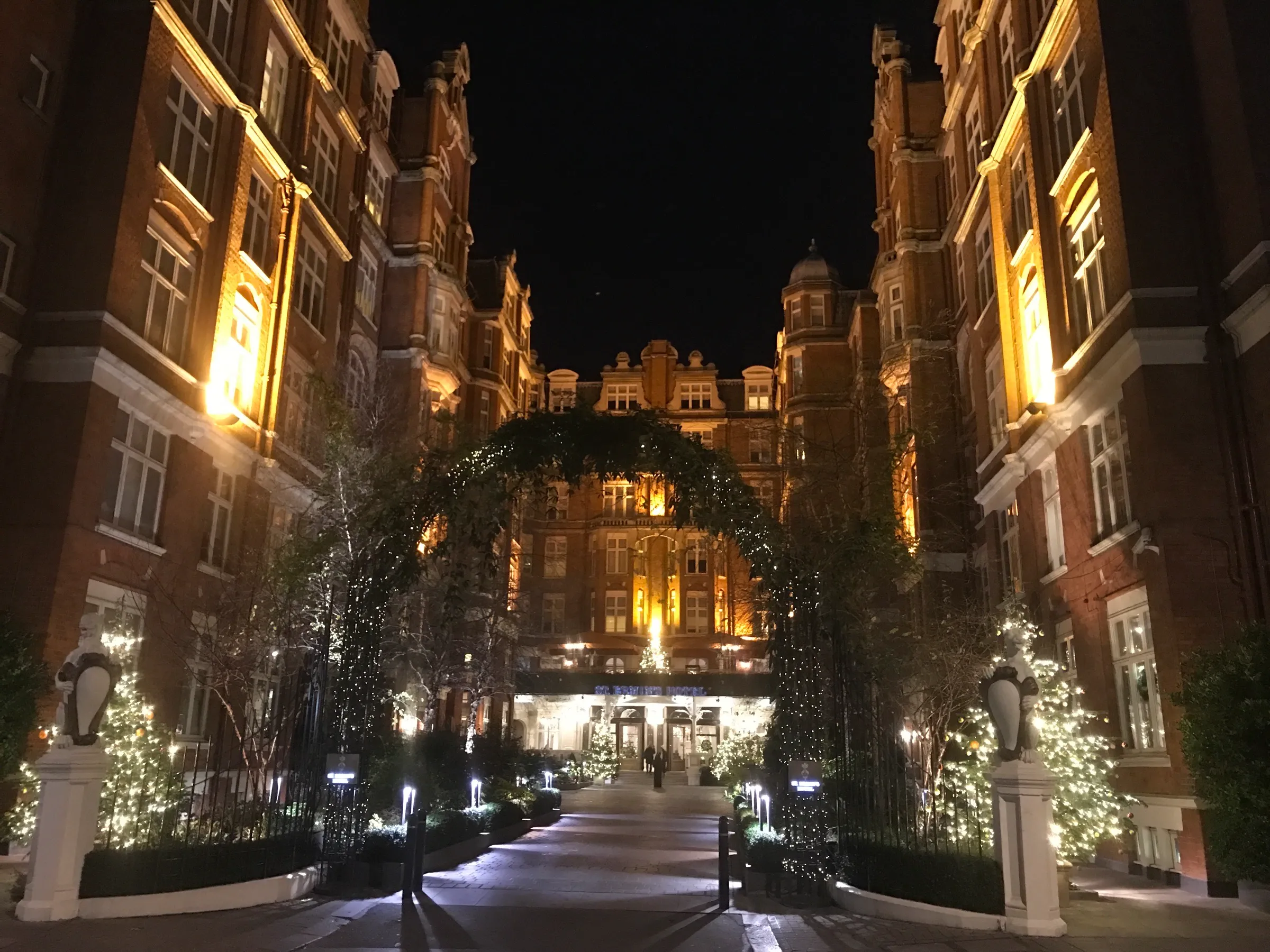
When I stayed at St. Ermin’s in 2016, I photographed the courtyard at night. The warm light, dark brick, and trees appear in the first chapter of this series. It is a photograph of a working hotel: somewhere to arrive, put down a bag, and settle into London.
The history changes what you notice about that arrival. During the war, people came to St. Ermin’s for interviews that could lead to clandestine service. A room upstairs could become the beginning of a life spent carrying messages, building relationships, or accepting risks that someone at home might never fully understand.
Put yourself at the other side of that interview table for a moment. You believe the work matters. You need people willing to do it. How much can you tell a prospective recruit? What do you owe someone before asking them to accept a danger you cannot describe completely?
Questions like that connect the places we have explored across this series. London, Bletchley Park, Cambridge, and Salisbury bring different people and responsibilities into view. Moving among them lets us return to a difficult choice after seeing more of the people who might live with it.
That is the kind of conversation I want our intelligence-history journeys to make possible.
From a hotel room to a government decision
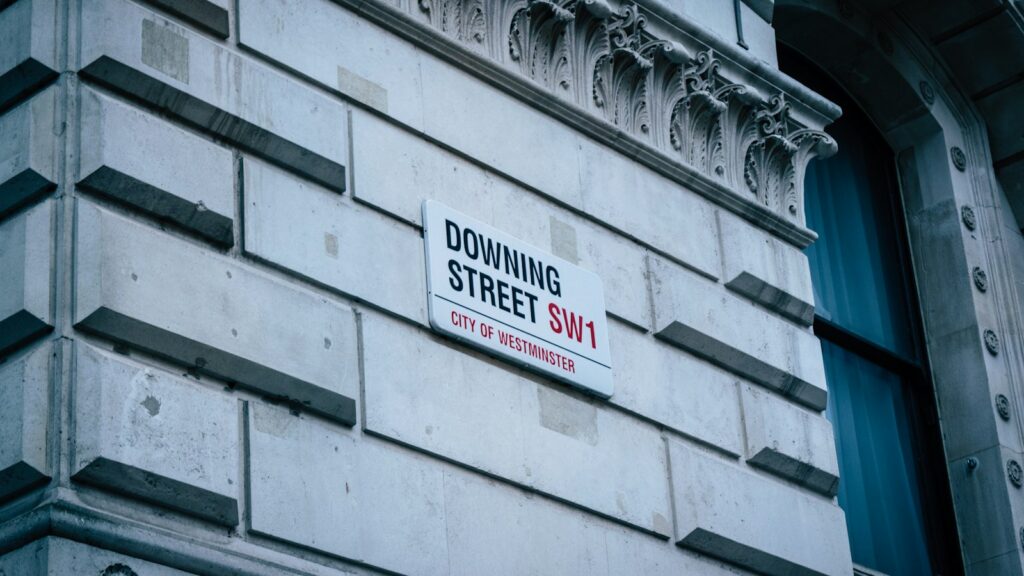
Westminster makes the first connection almost tangible. St. Ermin’s, the former SIS headquarters at Broadway, Whitehall, and the Churchill War Rooms occupy a compact part of London. The distance between recruiting someone for secret work and discussing the intelligence that work might produce can be surprisingly short.
The responsibilities are different at each end of that walk.
An officer working with a source has to think about the person’s safety and the relationship that keeps information flowing. An analyst has to evaluate the reporting in the broader context and consider its value in authoritatively addressing key intelligence questions. A senior official has to decide what action is possible, timely, and worth its cost. Each may see something the others cannot.
In the rooms beneath Whitehall, it is worth pausing over that distance in understanding. Imagine a report arriving at a moment when a decision cannot wait. The source has been reliable before, but this time the information is incomplete or maybe second-hand. Seeking confirmation will take time.
How would you explain your uncertainty to someone who must decide today? Would your standard change if waiting put other people in danger?
Most of my career was spent in intelligence analysis, so I am drawn to the space between receiving information and deciding what it means. John Sipher brings the perspective of an operations officer. In a group discussion, those backgrounds let us examine the same problem from different positions: the source, the person handling the relationship, the analyst, and the official responsible for the decision.
A traveler with experience in medicine, law, business, or public service may notice another responsibility altogether. That is part of the interest of having the conversation together.
Whose lives are in the calculation?
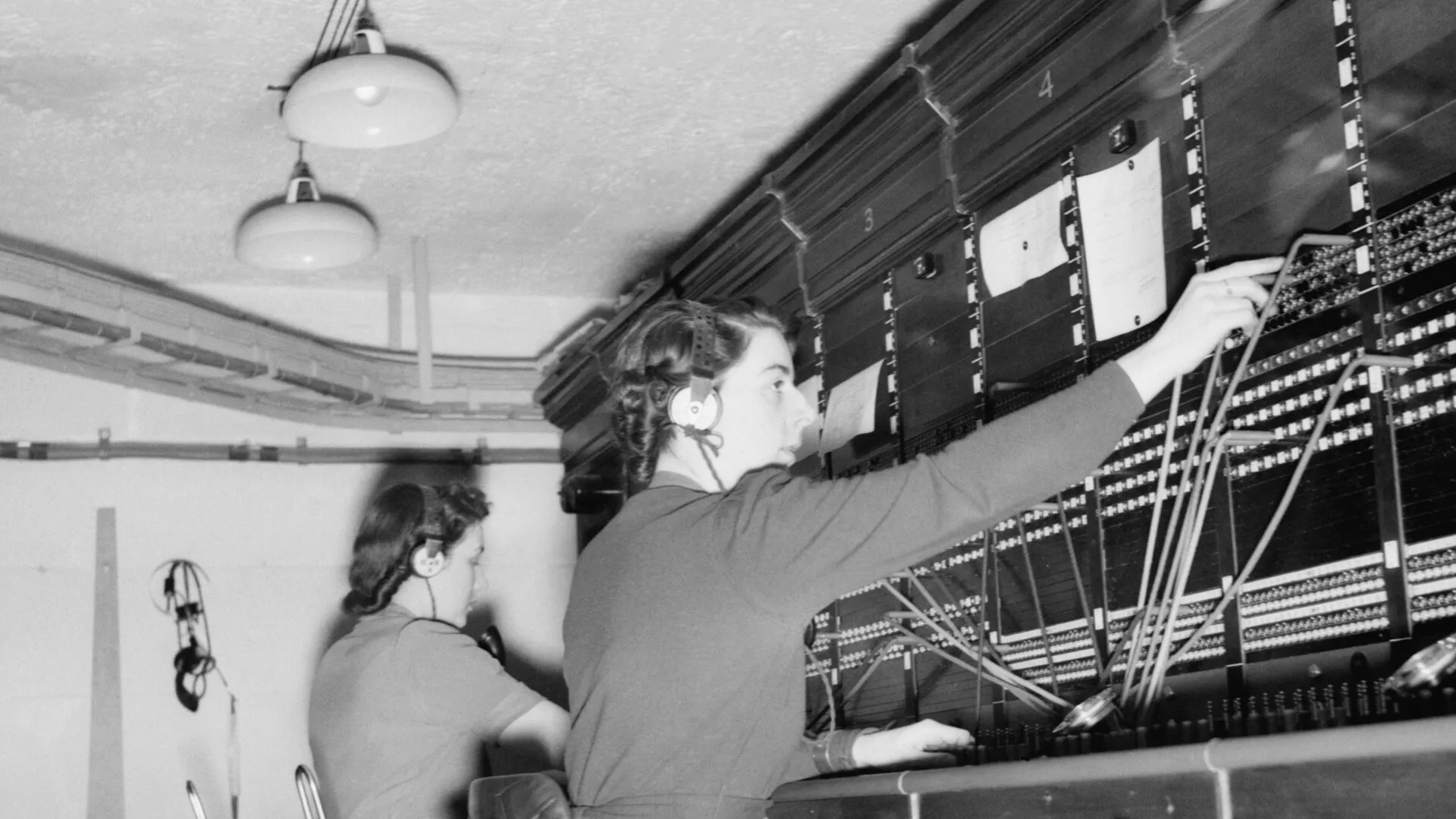
Bletchley Park takes us back along the information’s path. Before a report could reach Whitehall, people had to intercept a signal, recover its meaning, interpret it, and protect the system that made the next report possible.
The Bletchley chapter followed some of those people and the human cost of their work. It also raised a problem that deserves more time than a paragraph can give it: acting on a secret can reveal how you obtained it.
Consider this as a discussion problem. A protected source or a hard-won ability to read an adversary’s communications gives warning that people are in danger. An intervention might save them. It might also expose a person, reveal the method, or close an intelligence channel that could warn of other attacks.
What other options would you want explored before accepting that choice? If the conflict remained, how much weight would you give to lives that might be saved in the future, when the people in danger now are already identifiable?
Now change one part of the problem: the people facing immediate danger include someone you know. How would you account for that relationship in your judgment?
These questions concern the commanders and senior officials responsible for action, as well as the officers advising them. At Bletchley, the codebreakers’ task was to produce and interpret intelligence; decisions about its operational use belonged elsewhere.
The same tension leads back to SOE’s work in occupied Europe. A railway could carry enemy supplies and also provide a source with a place to observe them. Disrupting it might meet an urgent military need while endangering a relationship built over months.
How would the discussion sound if the person bearing the greatest risk were in the room?
Trust looks different after Cambridge
After considering how much effort went into acquiring and protecting intelligence, Cambridge changes the direction of the question. What happens when a person authorized to see the results is working for another country?
The Cambridge Five chapter traced the relationships and careers through which Soviet intelligence gained access to British and American institutions. John Cairncross provides a direct connection to Bletchley: his wartime work there gave him access to the products of Britain’s codebreaking effort.
That connection makes it difficult to leave Bletchley behind as a completed success story. The same information could represent painstaking work by one group and an opportunity for a hostile service through another person’s access.
It is easy to recognize the danger once the names are in the history books. Try approaching it from the earlier moment, when a colleague is able, useful, well regarded, and trusted by people whose judgment you respect.
What would be sufficient reason to restrict that person’s access? If you were wrong, what damage might the suspicion itself cause?
Then take the question back to Bletchley. Specialized work requires people to share information. How much separation could an institution impose before its protections began to impair the work they were meant to protect?
Walking through a university city adds something to that discussion. Education, friendships, ambition, and recommendations become visible parts of a person’s route into public life. Cambridge asks us to think about how confidence grows over time—and how difficult it can be to reassess someone whose place in a community already feels settled.
Salisbury brings other people into the room
By Salisbury, the conversation has moved beyond the people recruited, employed, or entrusted with secrets.
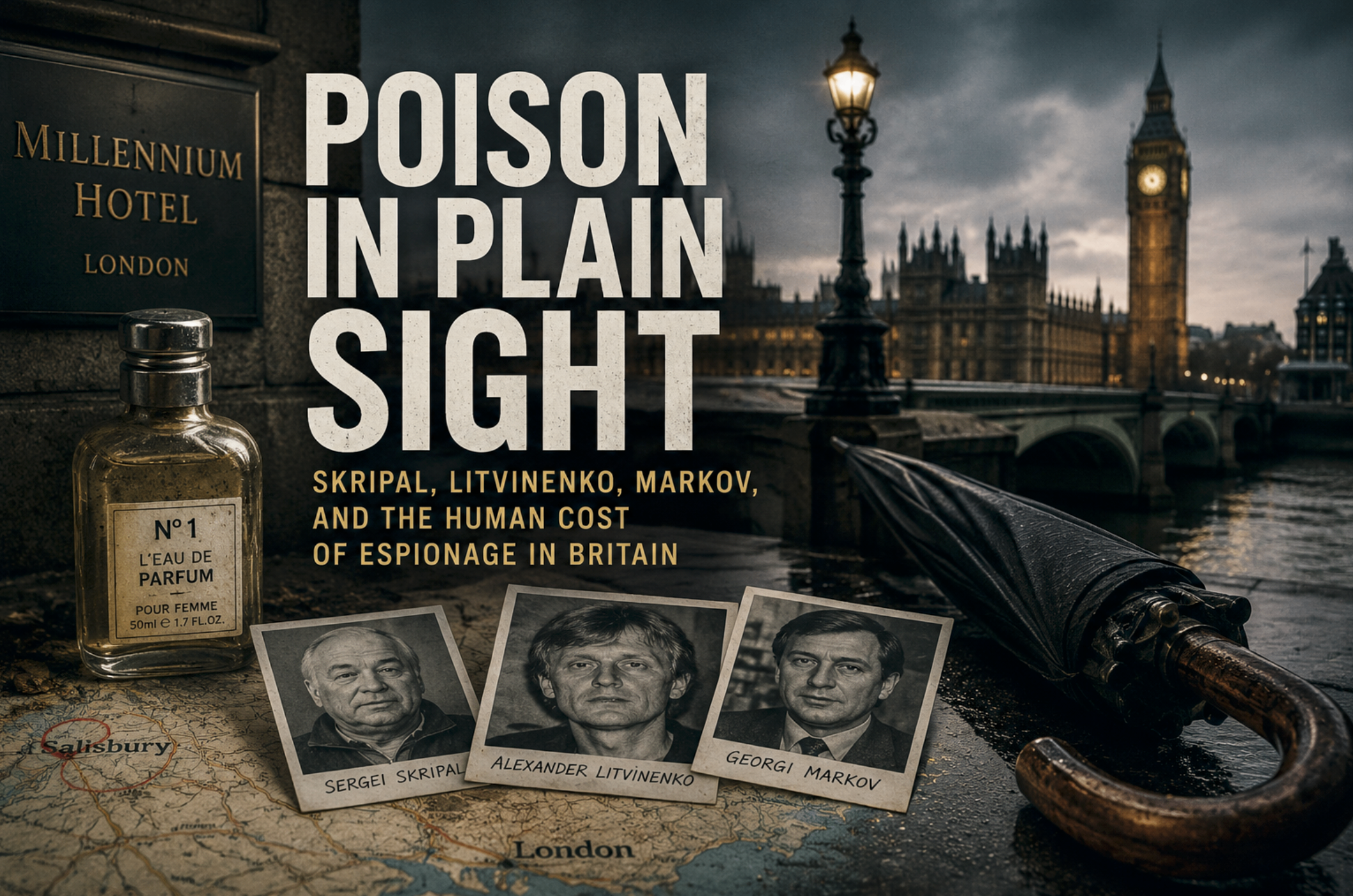
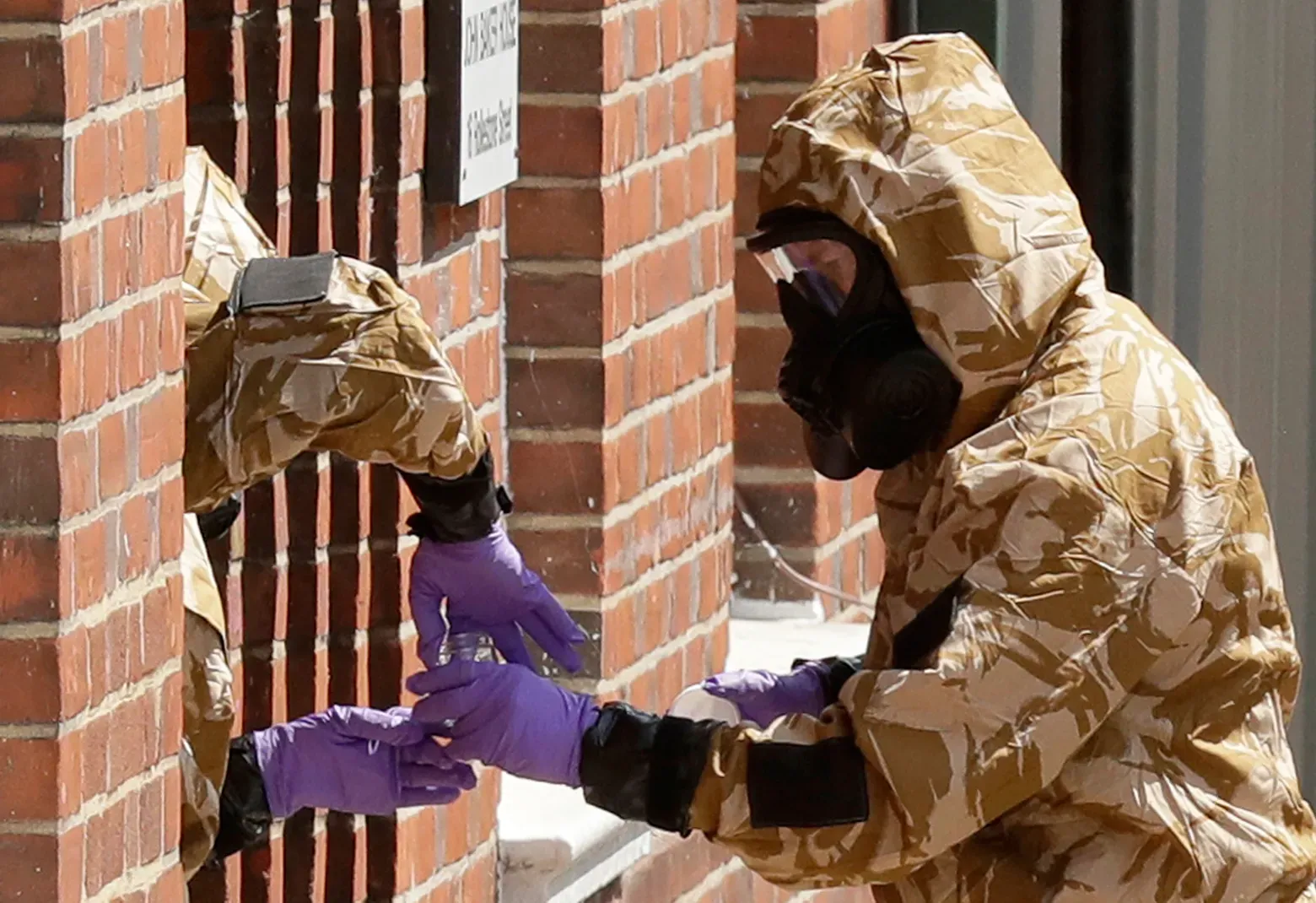
The poisoning of Sergei and Yulia Skripal brought an intelligence operation into residential streets, restaurants, and a shopping area. Months later, Dawn Sturgess died after using what she and her partner believed was perfume. She had no part in the intelligence contest.
Her death gives the earlier discussion about risk a different human setting. In Whitehall, we considered who had authority to act. At Bletchley, we considered what might be lost by exposing access. In Cambridge, we considered the responsibilities attached to trust. In Salisbury, we meet people who had no opportunity to agree to any of the risks imposed on them. We also meet foreign agents with no concern for innocents’ deaths.
Those histories involve different purposes, conduct, and responsibilities. Each deserves judgment on its own evidence. The connection is the widening circle of people an intelligence decision can reach.
What does a government owe a community when the danger has entered ordinary life? How much must it explain for residents to trust its account and its assurances? What happens when the public need for an explanation meets information officials still believe they must protect?
Salisbury also gives those questions a setting beyond the case itself. People come for the cathedral, walk beside the river, go to work, and meet friends. A visitor can move on to the next stop. The community continues living there.
When we judge an operation’s consequences, whose experience determines where the story ends?
A conversation that changes as we travel
This is why these places belong in one journey. The value accumulates as one setting complicates what seemed clear in another. Cambridge sends us back to reconsider Bletchley’s achievement. Salisbury changes the people we picture when talking about consequences. Returning to London, the officials around a table in Whitehall may look different, too.
Travel gives us time to return to a question. A thought raised beside a display might develop over lunch. Someone may see a problem differently after the next visit, or bring an experience from their own working life that changes the group’s discussion.
With former intelligence practitioners and specialist local guides, we can explore the historical evidence alongside the practical demands of the work: what a person could know, what options were available, where responsibilities overlapped, and what pressures might influence a choice. There is room for disagreement—and for a question to remain open.
That is how John and I want to approach War Rooms & Walk-Ins, our planned September 4–9, 2027 journey. The page describes the working itinerary and the nonbinding Intent to Deposit for those considering joining us. If you would simply like to talk about whether the journey fits your interests, you are welcome to send me a question.
For now, return to the decision about protecting a source and saving people. After considering Cambridge and Salisbury, is there anything you would want to ask before deciding that you had enough information to act?