
Ship Fit
Compare ship design, atmosphere, dining, service, passenger count, and how much choice you have each day.
Cruises / River Cruises
River Cruise Planning
The right river cruise depends on the river, season, ship, itinerary pace, cabin design, inclusions, and the land arrangements that complete the trip.
Compare ship design, atmosphere, dining, service, passenger count, and how much choice you have each day.
Read the river, season, docking pattern, locks, excursion schedule, and actual time in each place.
Compare deck, window or balcony design, inclusions, cancellation rules, and the value of an upgrade.
Plan gateway hotels, flights, transfers, insurance timing, and pre- or post-cruise extensions.
Is River Cruising Right for You?
River cruising trades resort-scale ship life for close-up access to cities, towns, vineyards, and landscapes. The experience can feel effortless, but itinerary pace, water conditions, excursion structure, and what is actually included vary more than the glossy route map suggests.
River Cruise Styles
River-cruise categories overlap, and the same line can feel different by river or itinerary. These six starting points help clarify the experience before you compare a specific departure.


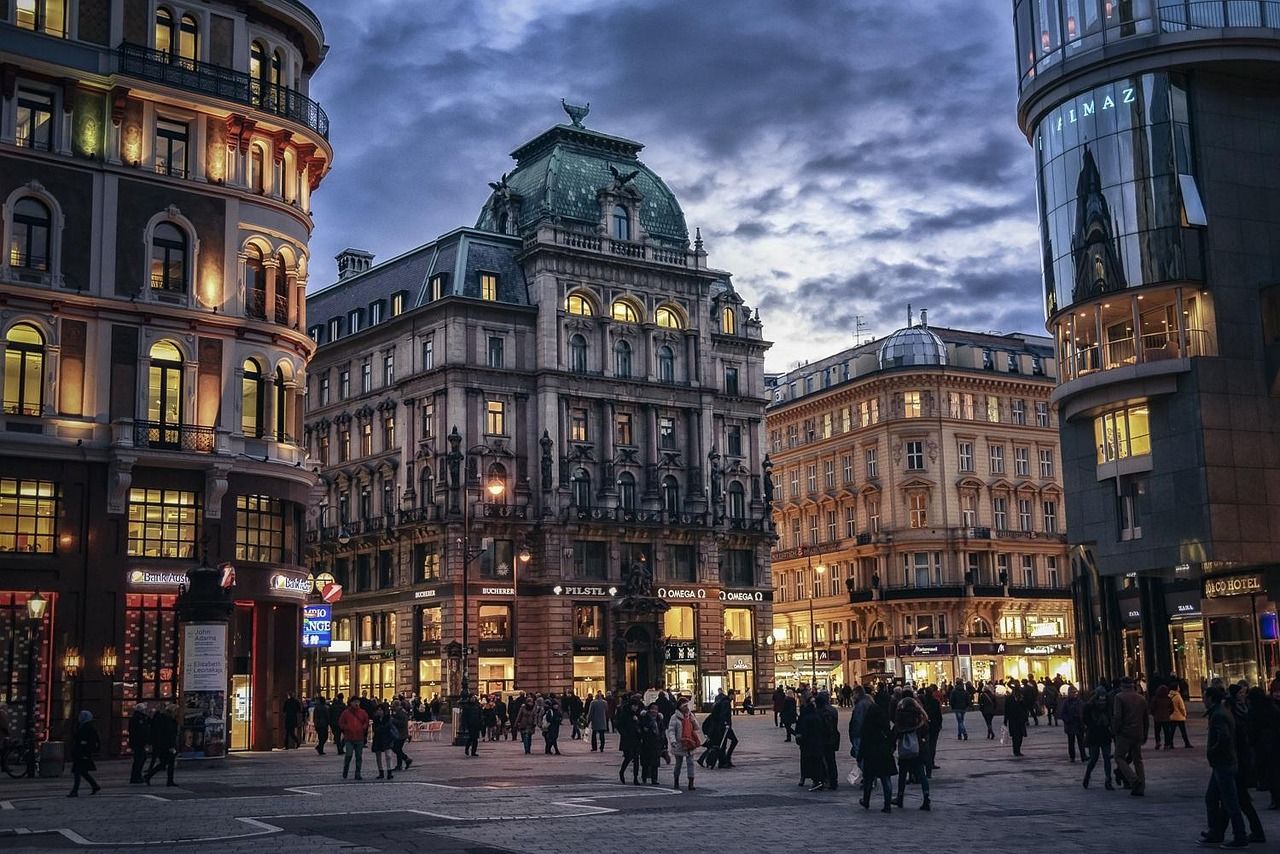
A structured, destination-led journey with included sightseeing, compact ships, and a familiar daily rhythm along the Rhine, Danube, Seine, Rhône, or other European rivers.
More excursion choices—walking, cycling, hiking, food, or culture—give independently minded travelers alternatives to the standard panoramic tour.
Special-interest departures use the river as a framework for wine, beer, food, music, history, holiday markets, or expert-led programming.
More spacious accommodations, elevated dining and service, and broader inclusions can justify a higher fare—but only after a true-cost and cabin comparison.
Mississippi, Columbia and Snake, and other domestic routes offer close-to-home history and scenery, usually with smaller ships and a notably high upfront price.
River journeys in Egypt, Southeast Asia, and other regions require closer attention to climate, touring intensity, visas, health considerations, and the quality of land arrangements.
River Cruise Lines to Compare
Compare nine distinct approaches to European rivers, U.S. waterways, and the Great Lakes and St. Lawrence. Each guide explains traveler fit, inclusions, and the tradeoffs to consider before you deposit.
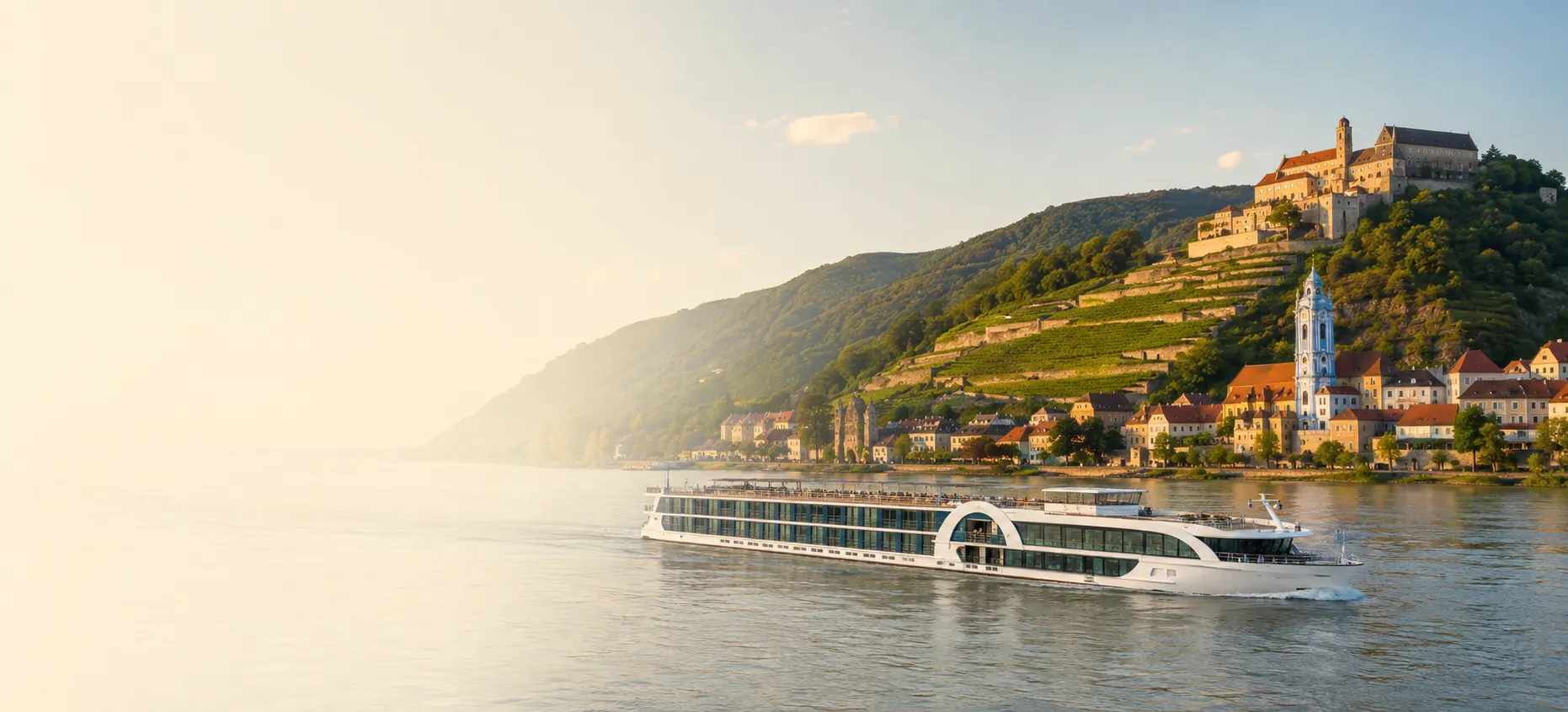
Varied excursion levels, cycling, wellness, and polished dining suit travelers who value active exploration.
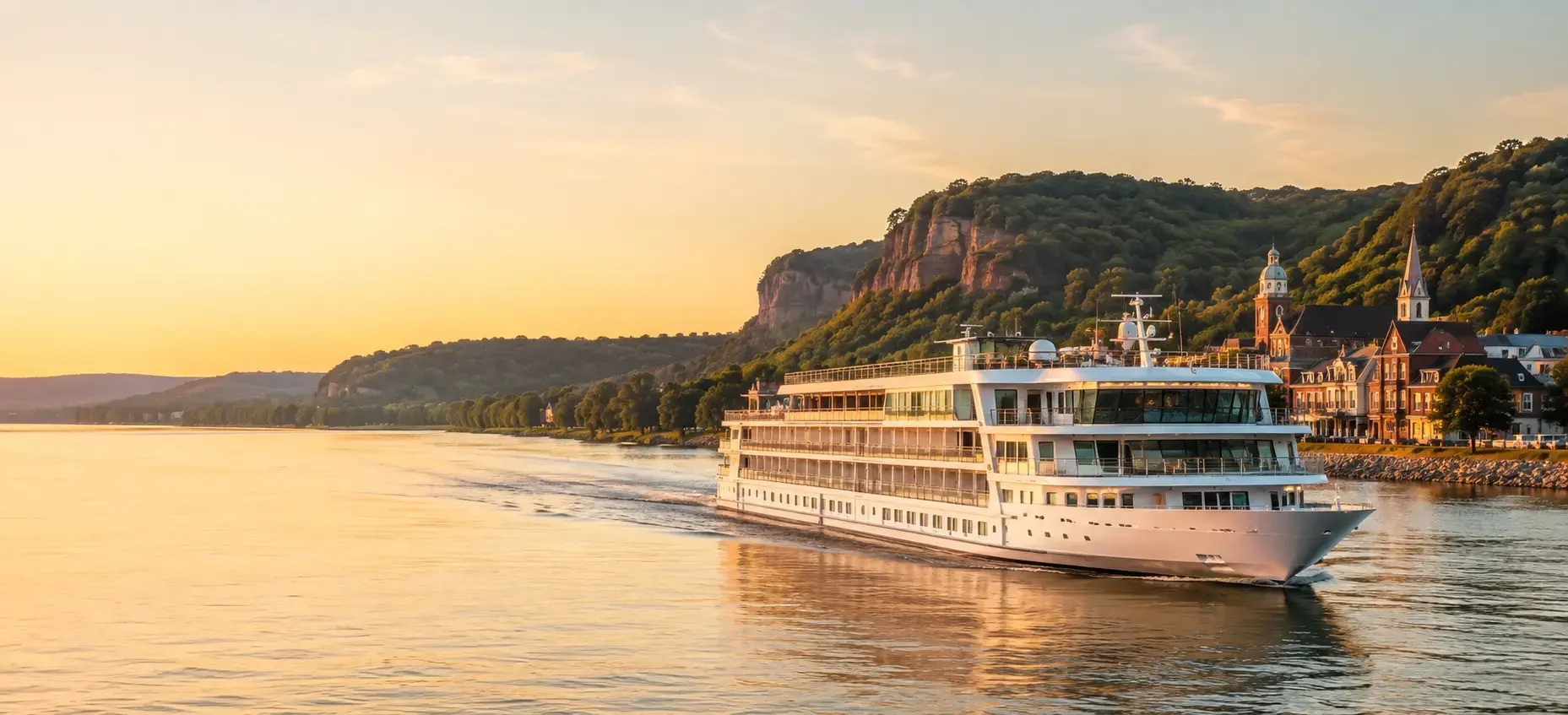
U.S. riverboats pair domestic itineraries and small-ship access with broad fare inclusions.
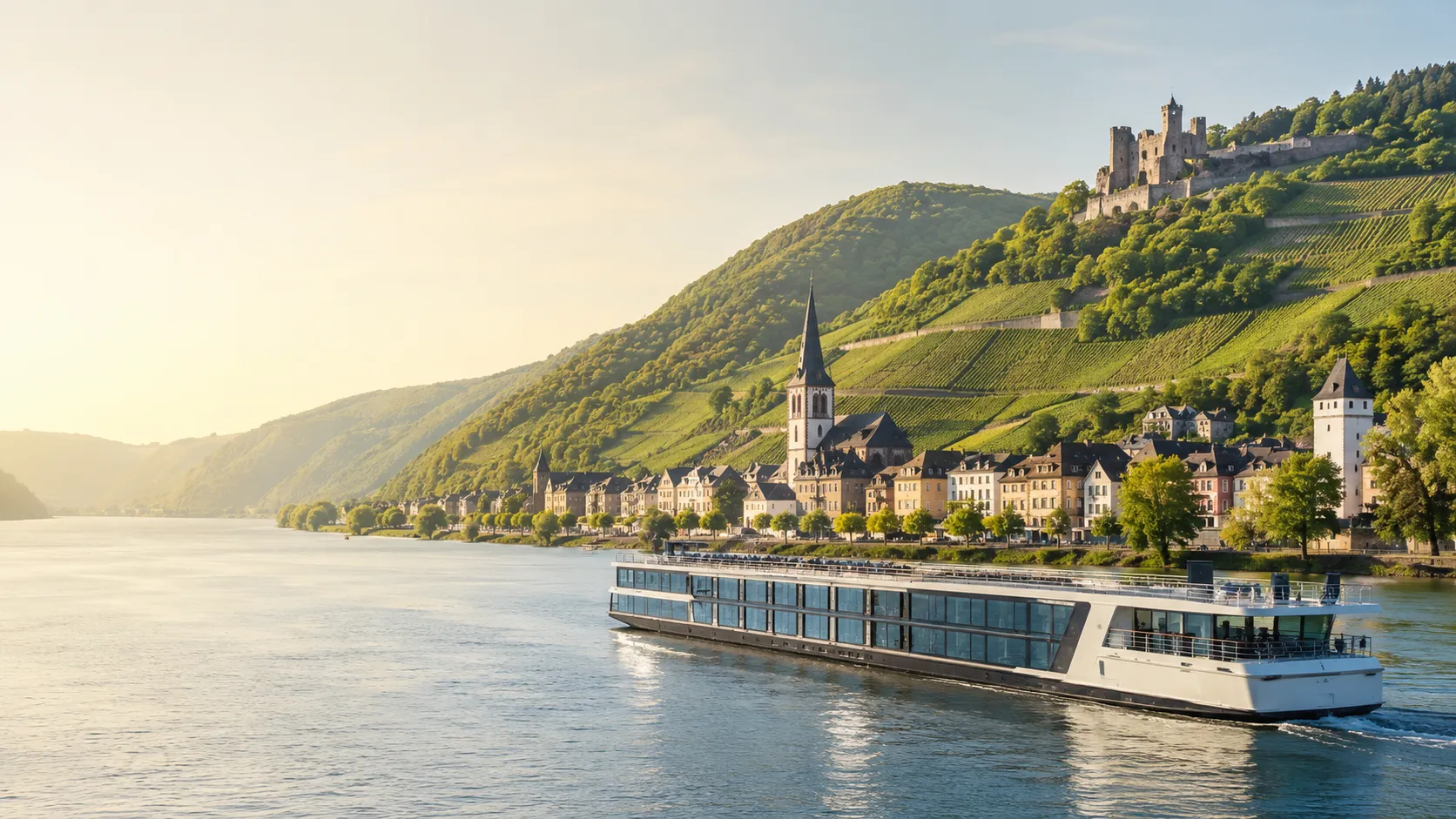
Panorama Suites and varied excursion choices let travelers shape their views, pace, and time ashore.
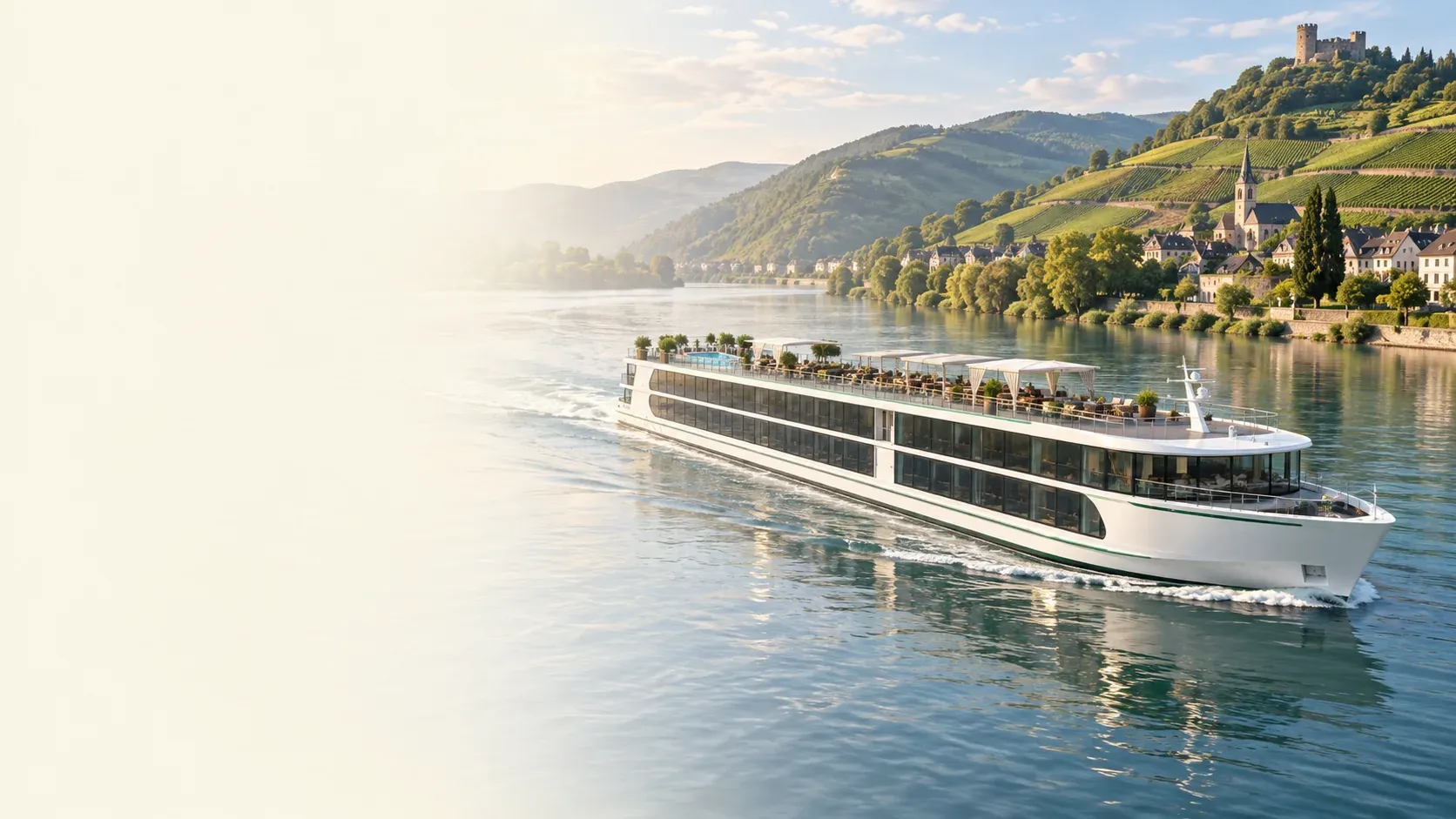
Modern river ships and intimate ocean yachts combine relaxed surroundings with destination-led itineraries.
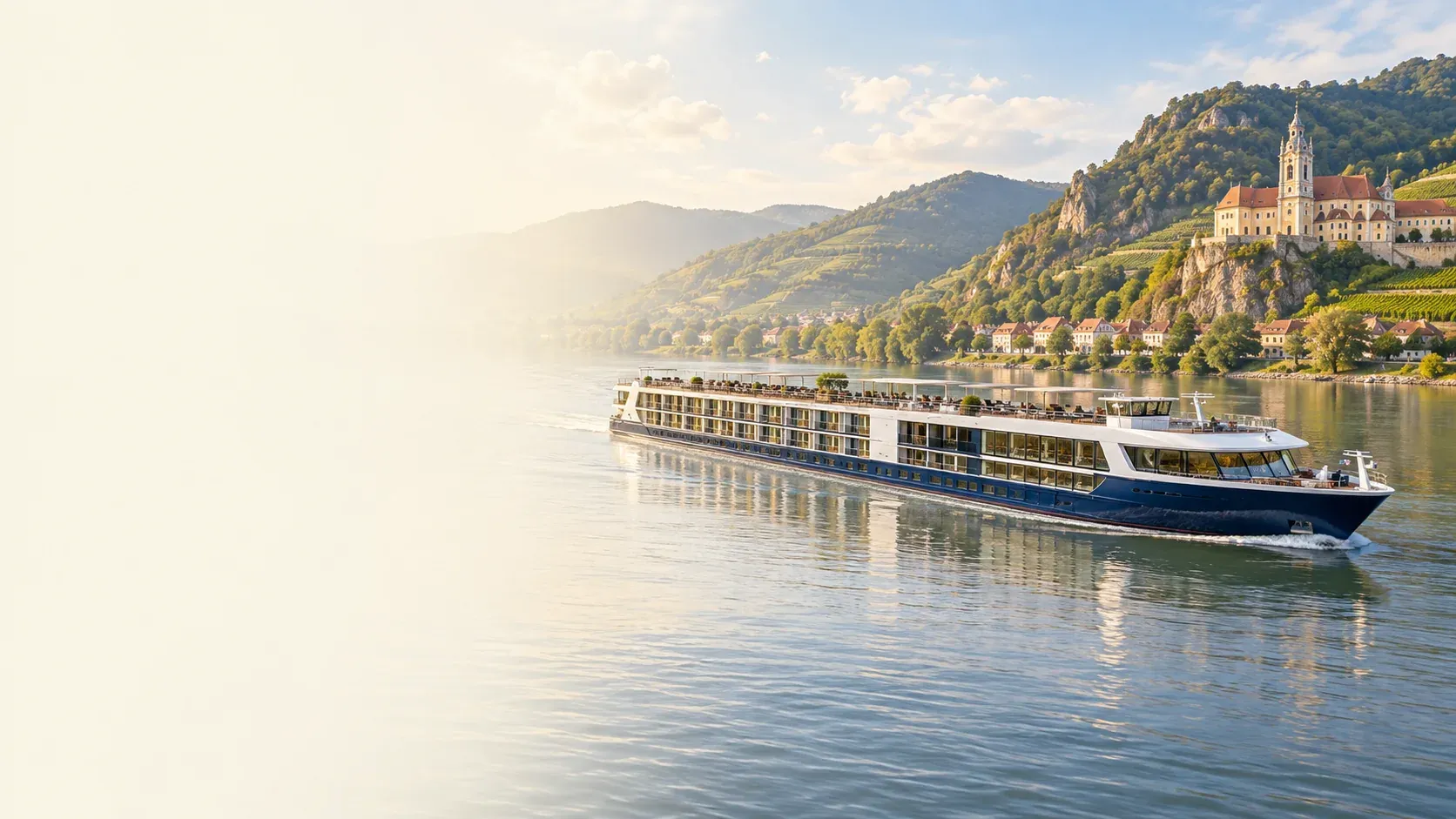
Inclusive river cruises and expedition yacht voyages offer distinct ways to explore in comfort.
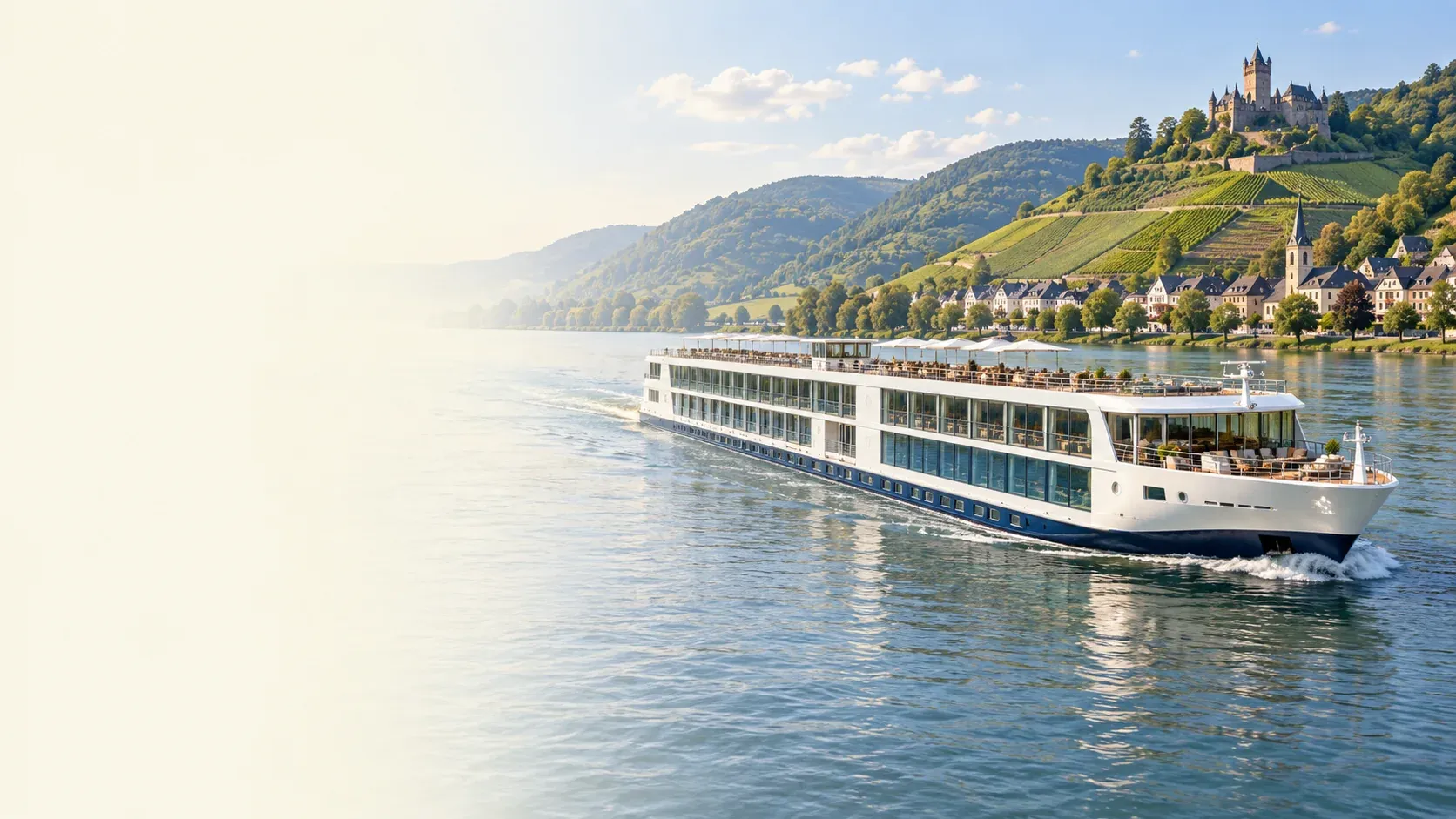
Guided river journeys combine small-group shore experiences with closely coordinated land arrangements.
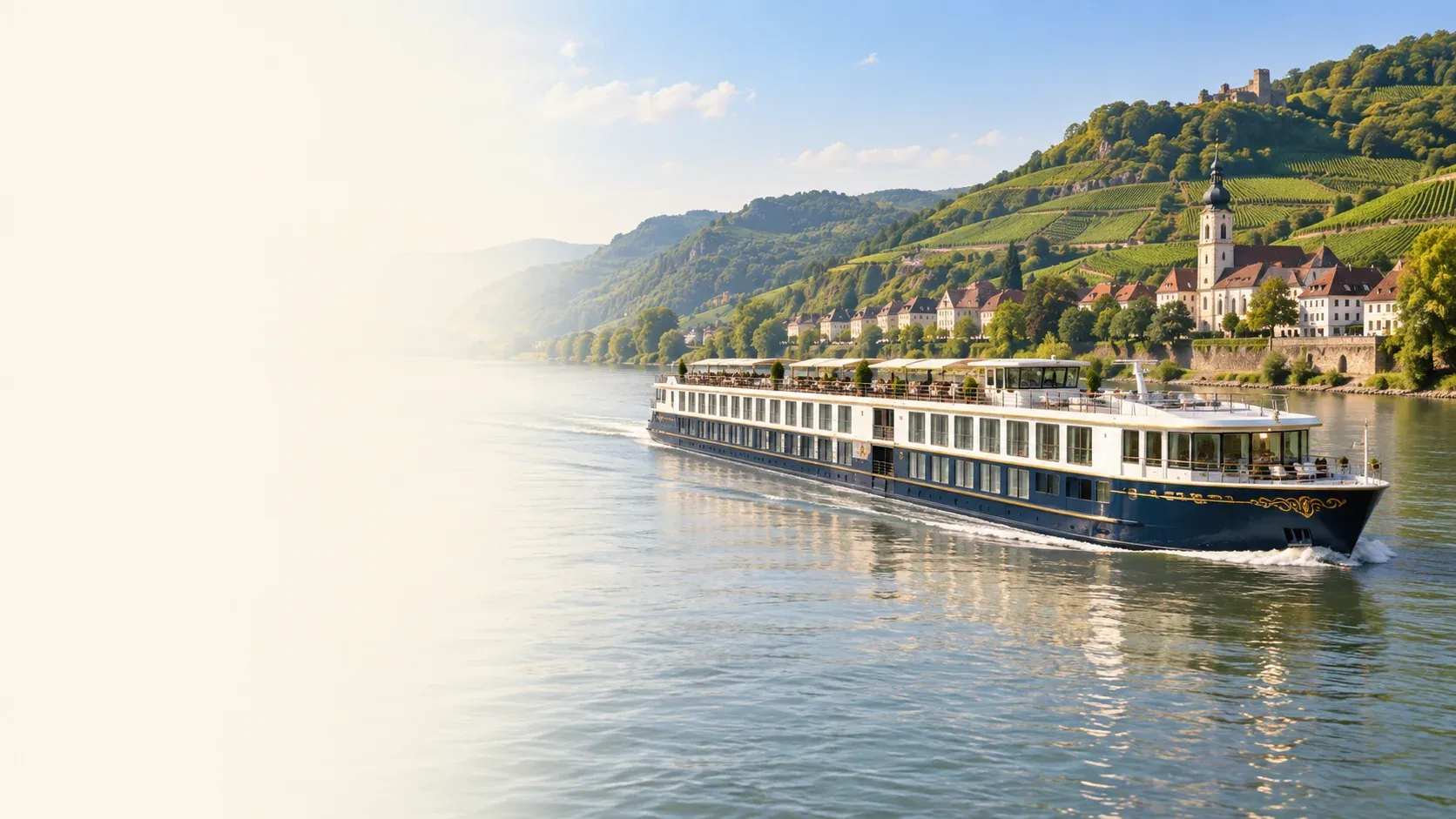
Individually styled river ships pair destination-focused travel with an inclusive onboard experience.
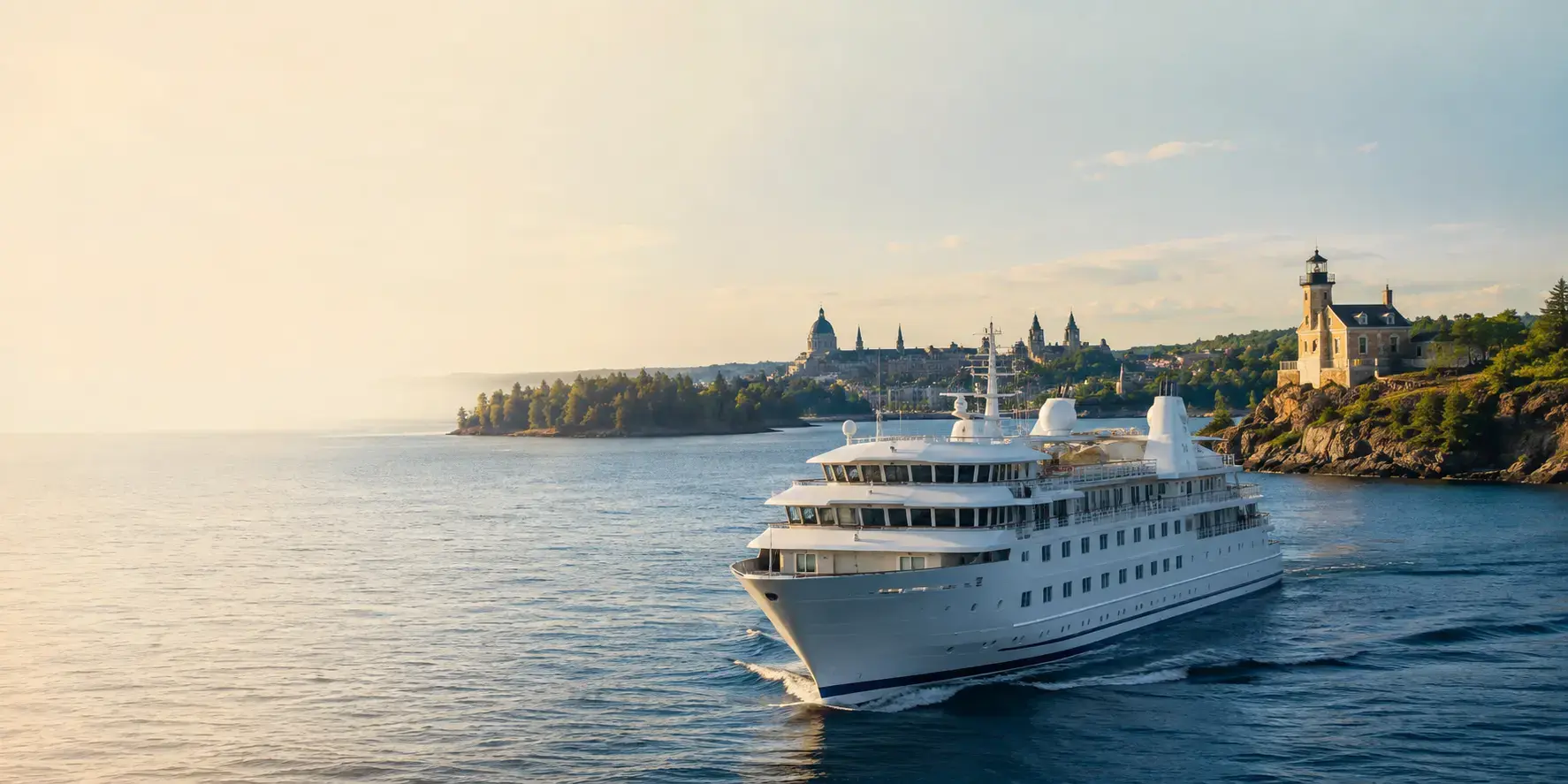
Intimate ships explore the Great Lakes and St. Lawrence through maritime history, cities, and natural scenery.
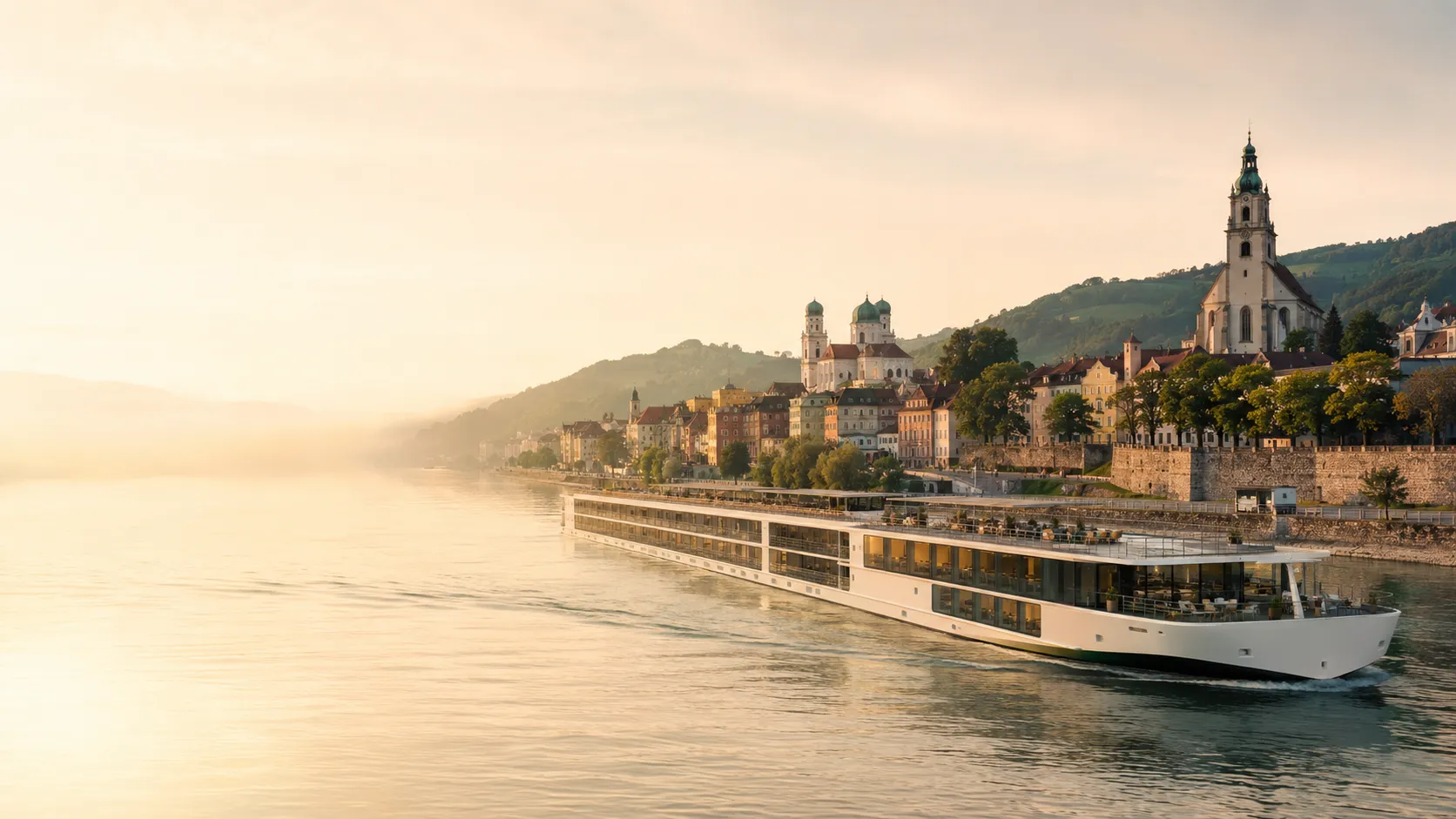
Scandinavian design, included daily touring, and a consistent adults-only experience keep destinations at the center.
Read the River Carefully
Two river cruises covering the same corridor can deliver very different trips. Before comparing price, examine season, water-level contingencies, docking locations, locks, excursion choice, and the amount of unstructured time.
High or low water can change sailing times, docking points, or even require buses and ship swaps. Ask how the operator handles disruption.
Rafted ships, steep gangways, distant berths, and many locks can affect sleep, views, mobility, and the time available ashore.
Included sightseeing may start early and move quickly. Compare walking demands, group size, active choices, and genuine free time.
Arrival timing and pre- or post-cruise stays can turn Amsterdam, Budapest, Paris, Prague, Vienna, Cairo, or New Orleans into part of the journey.
Cabin, Fare & True Cost
On a river ship, deck height, window design, French balcony versus walk-out balcony, proximity to machinery, and whether another ship may raft alongside can materially affect the cabin. Compare included excursions, drinks, gratuities, transfers, airfare offers, and cancellation terms before deciding what the higher fare really buys.
Not Sure Where to Start?
Tell me where you want to go, how active you want the days to be, and what you expect the fare to include. I can then compare the lines, ships, cabins, and dates that make sense for the whole trip.
River-specific training: I have earned CLIA’s RiverView Certificate and apply that training when comparing river-cruise lines, ships, cabins, itineraries, and traveler fit.
Water-Level Planning
The matrix below is a planning assessment, not a forecast or actuarial probability table. It synthesizes recurring patterns over roughly the last decade, the physical characteristics of each river section, seasonal low- and high-water tendencies, and operator fleet structure. A “high” rating does not mean most cruises fail; it means the relative exposure to a material water-related itinerary change is higher than in the other cells.
Legend: Low = comparatively limited recurring exposure; Moderate = meaningful but not dominant seasonal exposure; Med–High = elevated watch period; High = the strongest recurring exposure among major European cruise rivers. Winter ratings describe hydrological exposure, but some routes have few or no scheduled departures.
| River / section | Jan | Feb | Mar | Apr | May | Jun | Jul | Aug | Sep | Oct | Nov | Dec | Supplier positioning if disruption occurs |
|---|---|---|---|---|---|---|---|---|---|---|---|---|---|
| Rhine: Basel–Amsterdam Highest attention near Kaub / Middle Rhine | Low | Low | Moderate | Moderate | Moderate | Moderate | Med–High | High | High | Med–High | Low | Low | AmaWaterways, Viking, Scenic/Emerald, and Avalon are structurally well positioned where sister ships are operating on both sides of a closure. Viking’s standardized fleet and Ama’s river specialization are notable. Actual relief depends on vessel location. |
| Main & Main-Danube Canal Often part of Amsterdam–Budapest routes | Low | Low | Moderate | Moderate | Moderate | Moderate | Moderate | Med–High | Med–High | Moderate | Low | Low | The canal is controlled, but long itineraries inherit Rhine and Danube problems. Viking, AmaWaterways, Scenic/Emerald, and Avalon generally have the strongest network redundancy across the full system. |
| Upper Danube: Regensburg–Passau | Low | Low | Moderate | Moderate | Moderate | Moderate | Med–High | High | High | Med–High | Low | Low | AmaWaterways, Viking, Scenic/Emerald, and Avalon benefit from multiple ships and established motorcoach or sister-ship plans. Routes ending in Vilshofen or Passau may offer different options than through-routes. |
| Middle Danube: Passau–Vienna–Budapest | Low | Low | Moderate | Moderate | Moderate | Moderate | Med–High | High | High | Med–High | Low | Low | AmaWaterways, Viking, Scenic/Emerald, and Avalon have the most visible fleet-scale advantages. Uniworld and Tauck have deep regional operating experience, but exact sister-ship interchangeability varies by departure. |
| Lower Danube: Budapest–Black Sea | Low | Low | Moderate | Moderate | Moderate | Med–High | High | High | High | Med–High | Low | Low | Fewer simultaneously positioned sister ships can reduce swap flexibility versus the core upper Danube. Viking and AmaWaterways have meaningful corridor presence; Scenic and Avalon may also have strong logistical tools, depending on the season and route. |
| Elbe: Prague region–Saxon Germany–Berlin routing | Moderate | Moderate | Med–High | Med–High | Med–High | High | High | High | High | Med–High | Moderate | Moderate | Viking is especially notable because Astrild and Beyla were designed for the shallow Elbe. Even purpose-built ships cannot remove the river’s unusually high hydrological exposure; land substitution may be more likely than a broad sister-ship network. |
| Moselle: France–Luxembourg–Germany | Low | Low | Moderate | Moderate | Moderate | Moderate | Moderate | Med–High | Med–High | Moderate | Low | Low | A Moselle-only assessment can be comparatively favorable, but many itineraries also use the Rhine. On combined routes, Viking, AmaWaterways, Scenic/Emerald, and Avalon generally have better network depth. |
| Seine: Paris–Normandy | Moderate | Moderate | Med–High | Med–High | Med–High | Moderate | Low | Low | Low | Low | Moderate | Moderate | High water and bridge clearance matter more than late-summer drought. Viking, AmaWaterways, Scenic, Uniworld, and Avalon all have established French operations; fleet redundancy is smaller than on the Rhine–Danube system but routes are geographically compact. |
| Saône & Rhône: Burgundy/Lyon–Provence | Low | Low | Moderate | Moderate | Moderate | Moderate | Low | Low | Low | Low | Moderate | Moderate | The regulated Rhône lowers classic drought exposure; the Saône adds variability. Viking, AmaWaterways, Scenic, Uniworld, and Avalon have local experience. Itinerary modification is more likely to be managed within the French network than by a Rhine-style mass ship swap. |
| Bordeaux: Garonne–Dordogne–Gironde | Low | Low | Low | Low | Low | Low | Low | Low | Low | Low | Low | Low | Tides can change timing without constituting the same low-water failure seen on the Elbe or Rhine. Uniworld, Scenic, AmaWaterways, Viking, and Avalon operate purpose-assigned Bordeaux programs; because vessels are route-specific, schedule flexibility matters more than identical-ship swaps. |
| Douro: Porto–Spanish border | Moderate | Moderate | Moderate | Low | Low | Low | Low | Low | Low | Moderate | Moderate | Moderate | Dams and locks reduce classic summer low-water exposure, while high flow, lock operations, heat, and wildfire remain considerations. AmaWaterways, Viking, Scenic, Uniworld, and Avalon use river-specific ships, but limited local fleet size can constrain swaps. |
| Dutch & Belgian waterways Rhine delta, canals, and estuaries | Low | Low | Low | Low | Low | Low | Low | Low | Low | Low | Low | Low | Dense, engineered waterways generally offer lower water-level exposure, though wind, locks, and downstream Rhine routing can still change plans. Most major European operators are well established here; check whether the itinerary continues through Kaub before treating it as low risk overall. |
Important: These ratings compare relative historical exposure; they do not predict a particular sailing. Water can rise after sustained rain, fall after a dry spring, or change rapidly upstream. “Best positioned” describes structural contingency capacity, not a guarantee, quality ranking, or promise that the published itinerary will operate unchanged.
Cruise Planning Briefs
Start with water-level planning, then explore river-cruise accessibility, cruise fit, U.S. rivers, and solo travel.
Featured Briefing
Water-Level Planning
Compare river sections, seasons, and cruise-line contingency resources before you deposit.
Read the Briefing →
Planning Briefings
More river-cruise perspectives, updated as new briefings are published.
River Cruise Planning
River Cruise Planning

River Cruise Planning

River Cruise Planning
Ready When You Are
I can help check the river, season, ship, cabin, excursion pace, inclusions, payment terms, insurance timing, and pre- or post-cruise geography before you commit. If you have already booked directly, the reservation may still be transferable in some cases.