Reading the Ground — London · Chapter 5
On April 23, 1964, Anthony Blunt stood at a window overlooking Portman Square in London. Behind him, MI5 officer Arthur Martin waited for an answer.
Martin had confronted Blunt with evidence that he had recruited an American acquaintance to work for Soviet intelligence. He had also offered an assurance that Blunt would face no action if he told the truth. According to Martin’s account of the confession, Blunt asked for five minutes to wrestle with his conscience, fetched a drink, and stood looking outside. Eventually, he returned to his chair and began to talk.
The man at the window had served in MI5. He was also a distinguished art historian and Surveyor of the Queen’s Pictures. His life crossed institutions that entrusted him with secrets, scholarship, and the royal collection.
The route to that room ran back through Cambridge.
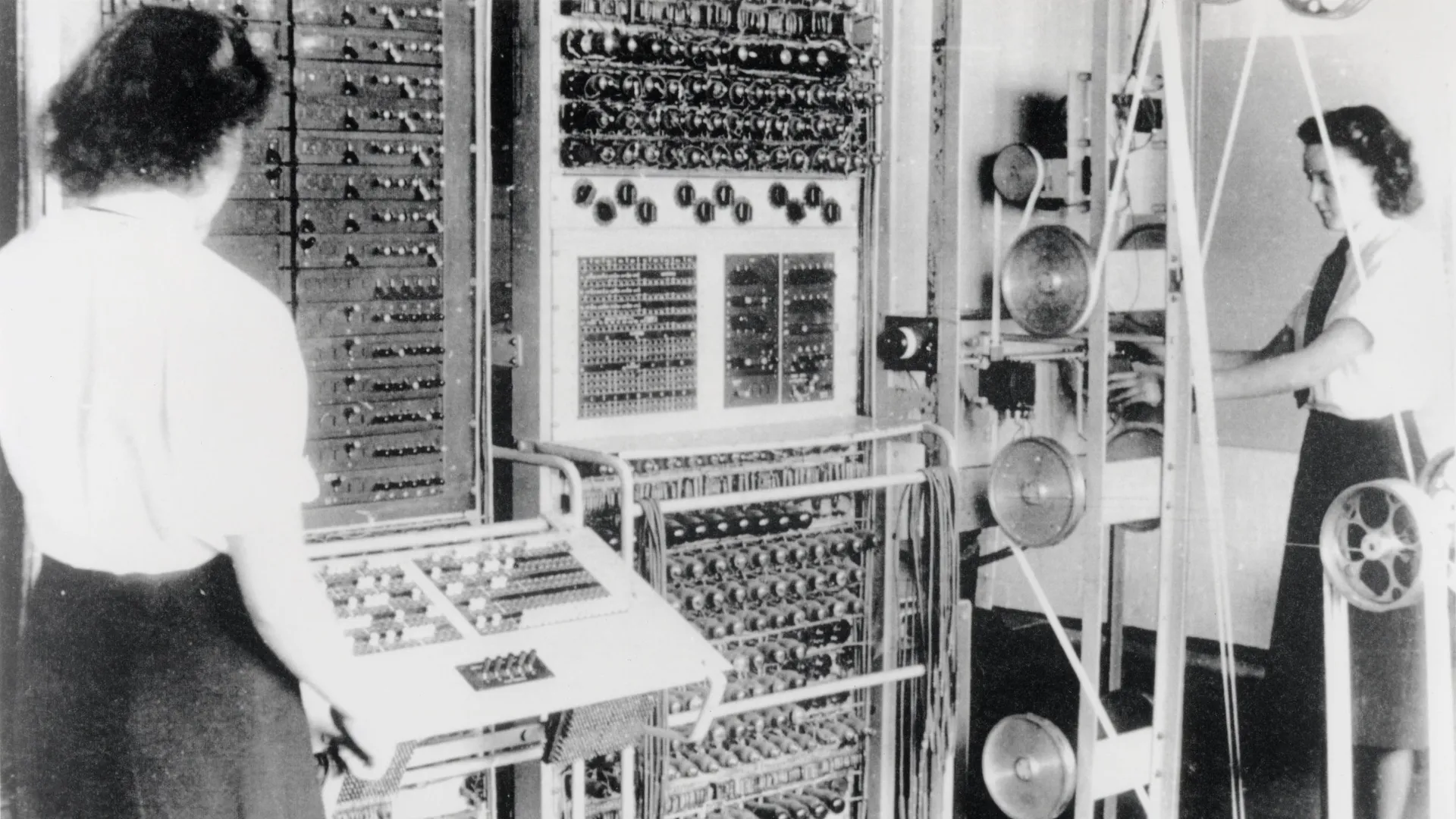
In Chapter 4, at Bletchley Park, we followed the people who turned intercepted communications into intelligence. Cambridge brings us to another part of Britain’s secret war: the relationships through which Soviet intelligence gained access to the institutions doing that work.
Recruit the future
The five names are familiar: Kim Philby, Guy Burgess, Donald Maclean, Anthony Blunt, and John Cairncross. Their careers became a public scandal in stages, long after Soviet intelligence began cultivating them in the 1930s.
Recruitment began with people whose greatest value often lay ahead of them. A promising graduate might eventually enter diplomacy, government, or intelligence. An officer willing to wait could gain access that would be difficult to obtain from outside.
MI5’s history of Soviet recruitment between the wars describes a deliberate approach: identify talented young Communists or sympathizers at leading universities, tell them to sever visible Communist connections, and encourage them to build careers within the British establishment. MI5 identifies Arnold Deutsch as instrumental in recruiting the Cambridge Five.
The recruit’s ordinary life carried the operation forward. A recommendation, a new appointment, or a promotion could open another stream of information. Professional success increased the value of the betrayal.
That is the question worth taking into Cambridge: how did confidence in a person become confidence in that person’s loyalty?
Introducing the interactive atlas
To accompany this chapter, we are introducing Soviet Espionage: From Cambridge to the Atomic Age, an interactive atlas connecting people, places, institutions, and intelligence programs.
Explore the Soviet Espionage Atlas ↗
Start with the Cambridge Five view to see Philby, Burgess, Maclean, Blunt, and Cairncross together. Choose a person or place to open a dossier. Select a connecting line to see what the association means and examine its source. You can also move between the full network, an individual’s direct connections, and the geographic view.
Begin with Kim Philby and follow his connections to recruitment and British intelligence. Then try John Cairncross and Bletchley Park, or Donald Maclean and VENONA. Each starting point asks a different question about how secrets moved and how investigators eventually found traces of that movement.
Read the lines carefully. A connection can describe employment, recruitment, an investigation, or the transfer of information. Solid lines mark documented relationships. Dashed lines are reserved for disputed claims when included; amber marks a connection supported by VENONA evidence. The source attached to each relationship explains what the line supports.
The atlas makes it possible to pause over a connection that a continuous narrative might carry you past. Why could this person enter that institution? What did the position allow him to see? How do we know what happened next?
Keep those questions in mind as the five careers separate.
Five men, different kinds of access
The phrase “Cambridge spy ring” can make the story sound tidier than it was. The National Archives’ account of the Cambridge Five files released in January 2025 emphasizes that the men had connections and sometimes conspired together, while also following separate paths and operating with considerable independence.
Philby penetrated Britain’s foreign intelligence service. Maclean’s diplomatic career took him into the business of governments and alliances. Burgess moved through several British institutions, including the Foreign Office. Their usefulness depended on the particular positions they held and the information those positions exposed.
Blunt’s wartime work placed a Soviet source inside the organization responsible for counterespionage. MI5’s own wartime history describes the damage caused by his access: the service trying to detect Soviet penetration had itself been penetrated. It also records an extraordinary complication. Moscow became suspicious that the intelligence supplied by the Cambridge agents was too good to be genuine.
Even an intelligence service receiving valuable secrets still had to decide what to believe.
Cairncross provides the most direct return to the previous chapter. His government career included the Cabinet Office, Bletchley Park, and MI6. At Bletchley, he gained access to the products of Britain’s codebreaking effort. The human work that made intercepted messages useful also created information another intelligence service wanted to acquire.
His background also complicates the familiar picture of five privileged men effortlessly entering the same club. Christopher Smith’s archival research on Cairncross traces his upbringing in a Scottish shopkeeper’s family, his earlier studies in Glasgow and Paris, and his discomfort among wealthier Cambridge contemporaries.
Social connections mattered, but they worked differently for different people. So did ideology. Economic crisis and the rise of fascism helped draw students toward Communism. The decision to serve Soviet intelligence went further: it committed an individual to secretly delivering information to another state.
Understanding that choice requires attention to motive and consequence. A sincere conviction can explain a decision while leaving its damage fully visible.
When the Cambridge story reaches Arlington Hall
Choose Donald Maclean in the atlas and the geography expands toward Washington and VENONA.
American cryptanalysts working at Arlington Hall in Virginia recovered fragments of Soviet communications that referred to a source called HOMER. In the NSA’s history of VENONA, that cover name belongs to Maclean, a British diplomat posted to Washington during the 1940s. Recovering the messages and identifying the person took time. Different spellings and abbreviated references initially obscured the connection.
Philby appears on the other side of the same intelligence problem. While assigned to Washington from 1949 to 1951, he visited Arlington Hall for discussions about VENONA. A Soviet agent thus gained official access to information about a project threatening Soviet espionage.
The collision is revealing. Cryptanalysts could painstakingly recover a clue, while a trusted liaison relationship exposed information about their work. Technical achievement and human vulnerability existed inside the same system.
This is where the London series meets The VENONA Files. A university connection in Britain could lead toward a diplomatic posting in Washington, a message to Moscow, and an investigation worked across the Atlantic.
The atlas also opens onto atomic espionage. Klaus Fuchs, a separate Soviet source, carried scientific expertise from Britain’s atomic program into the Manhattan Project. The National Park Service’s account of Fuchs at Los Alamos follows his scientific work and his meetings with a courier in Santa Fe.
Those were distinct channels into different secrets. Seeing them together helps explain the breadth of Soviet collection without turning everyone on the screen into a member of one operation.
The people outside the circle
The Cambridge story often stays close to the men who betrayed secrets: their friendships, arguments, drinking, charm, and eventual exposure. The consequences reached people who never shared their rooms or knew their names.
The 2025 National Archives release includes Philby’s admission that he passed Moscow information about Konstantin Volkov, a Soviet intelligence officer in Turkey who had offered to defect to Britain. The Archives records that Soviet agents seized Volkov and his wife and that both were executed in Moscow.
A potential defector had trusted that a message would reach people able to help him. Philby’s access allowed it to reach the people he feared instead.
That episode gives the language of “compromise” a human meaning. Access to a report could become power over another person’s survival.
The response to betrayal created its own difficult choices. Blunt’s 1964 confession came with immunity from prosecution, and his espionage remained publicly unacknowledged until 1979. Investigators sought information that could expose further damage; the arrangement also allowed a confessed Soviet agent to retain a distinguished public life.
The tension deserves to remain visible. Recovering intelligence, securing a conviction, protecting sources, and giving the public an honest account can pull officials in different directions. The people affected by those decisions rarely possess the same information as the officials making them.
Return to Cambridge with better questions
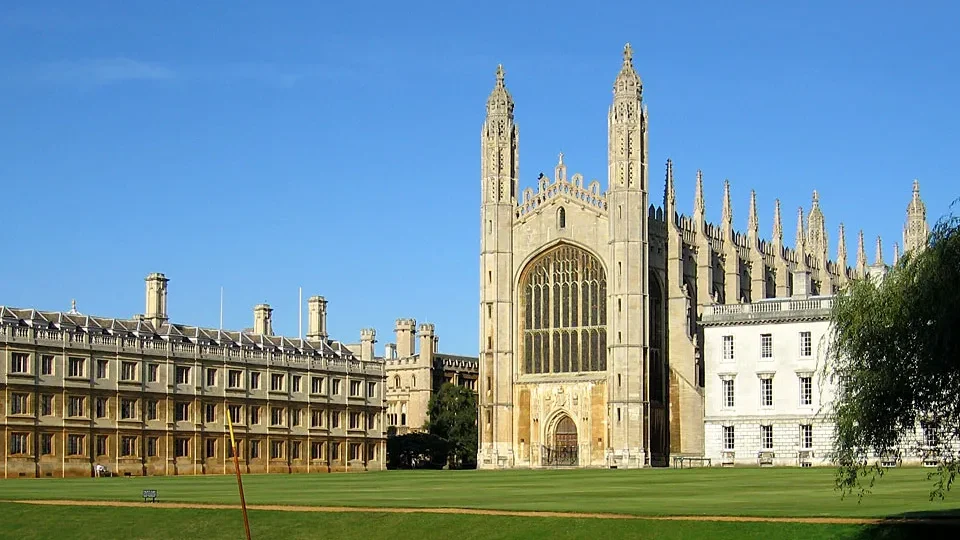
Back in Cambridge, the colleges give these careers a physical starting point. Blunt studied and taught at Trinity. The friendships and political commitments formed in university life could travel with graduates into very different institutions.
The city also holds other intelligence histories. King’s College preserves Alan Turing’s papers, a reminder of the intellectual work that helped Britain confront its enemies. Education and ability created possibilities; individuals chose how to use them.
That is why reading this ground takes more than identifying a famous college or attaching a spy’s name to a building. Ask what a person learned there, whom he came to trust, and where those relationships led. Then ask what evidence supports the answer.
Carry the same approach back to the London espionage history map. A residence, an office, and a meeting place can be close together on a street map while serving very different purposes in an intelligence operation. The atlas adds the relationships that help explain those places.
This is the connection behind the Cambridge day in War Rooms & Walk-Ins, our planned September 4–9, 2027 journey through London, Bletchley Park, Cambridge, and Salisbury. The route follows information from collection and interpretation into government—and examines the people who secretly carried it elsewhere.
When you return to the interactive, choose one person and follow one relationship. Read the source behind it. The Cambridge story becomes clearer when a familiar name gives way to a specific decision, an opportunity, and the people who bore the consequences.
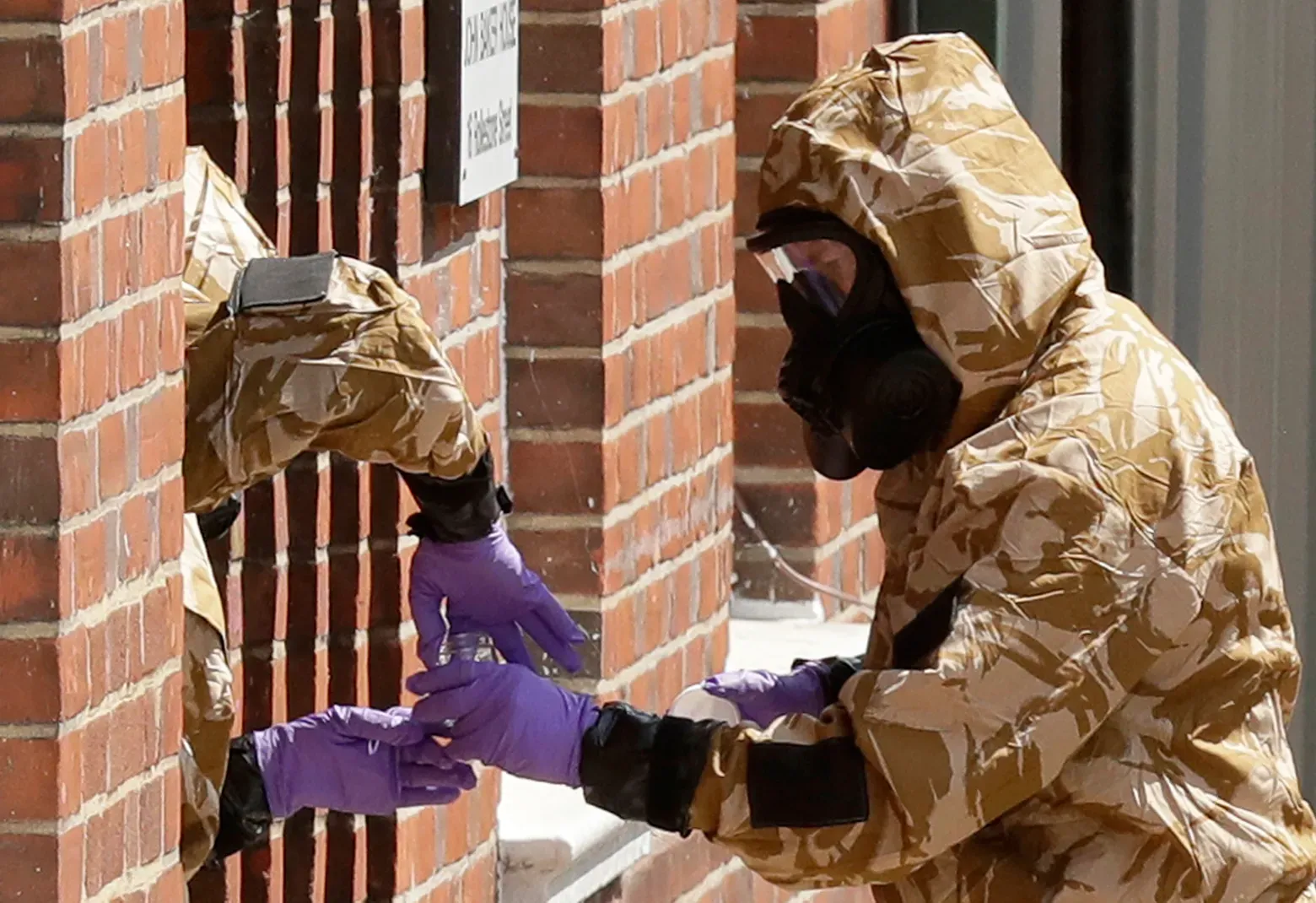
Next in Reading the Ground — London: Salisbury, where the consequences of a modern Russian intelligence operation reached an English cathedral city.