
Reading the Ground — London · Chapter 2
In the summer of 1940, Britain faced a strategic problem that conventional military power could not solve by itself.
France had fallen. Much of Western Europe was under German occupation. British forces had escaped from Dunkirk, but escape was not victory. The Royal Navy could protect the island, the Royal Air Force could contest the skies, and the Army could prepare against invasion. None of those instruments, on their own, offered a practical way to organize resistance, disrupt an occupying power, or keep pressure on the enemy from inside conquered territory.
Britain needed another kind of organization.
The Special Operations Executive—SOE—was created in July 1940 to bring sabotage, subversion, resistance support, training, supply, and clandestine operations under a more coherent structure. It became famous as Churchill’s “secret army,” but the nickname can obscure the harder question: why did Britain believe such an organization was necessary at all?
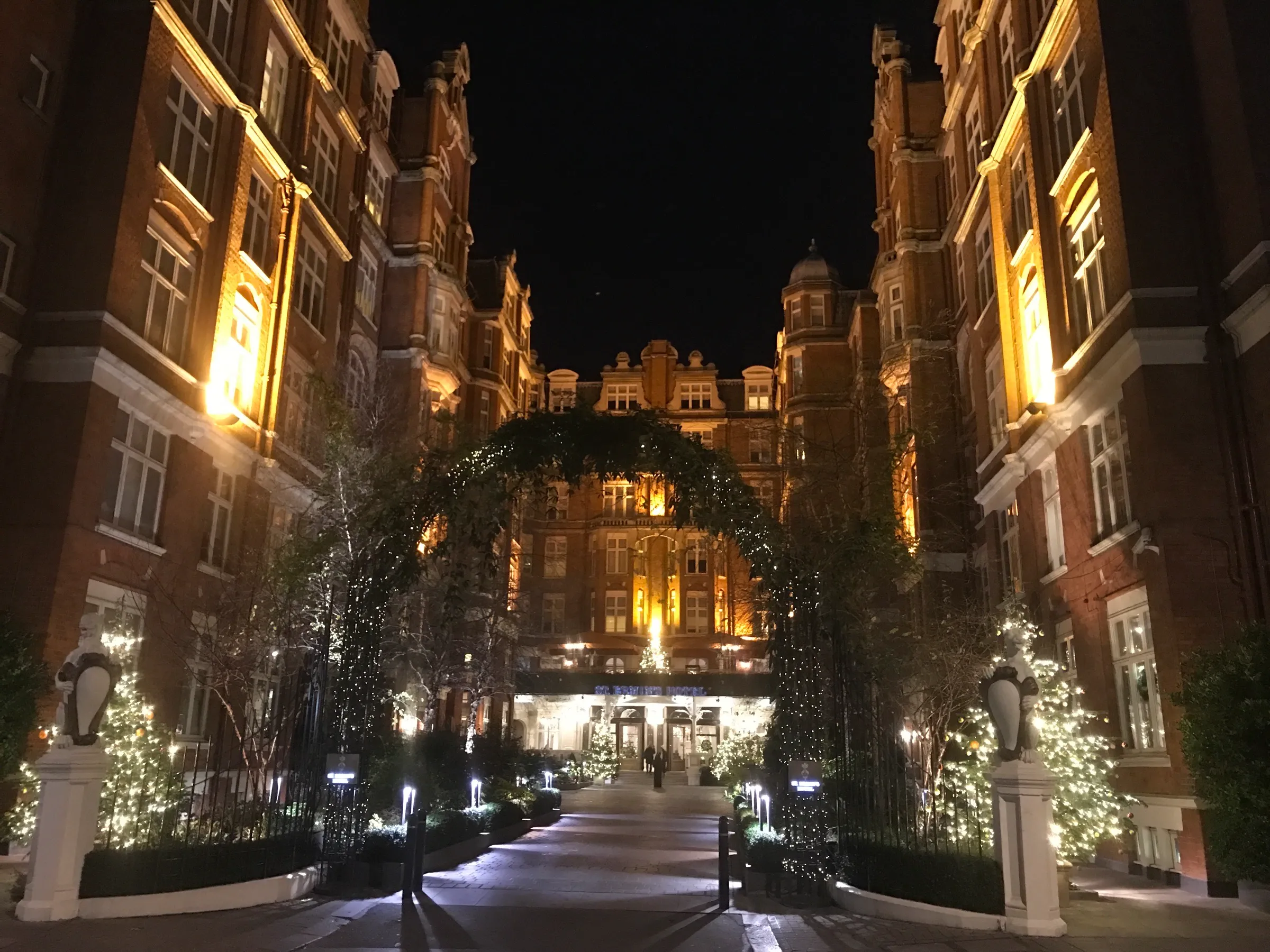
The answer begins where Chapter 1 of Reading the Ground — London ended: with SIS Section D, wartime recruitment at St. Ermin’s, and a government trying to decide how secret intelligence and irregular warfare should fit together.
A war Britain could not fight only from the front
Before 1940, British officials already understood that a future European war might require more than conventional operations. Different departments were studying sabotage, propaganda, guerrilla warfare, and the possibility of supporting resistance behind enemy lines. SIS Section D considered sabotage and subversion. The War Office’s MI R examined irregular warfare. Electra House, under the Foreign Office, worked on propaganda.
The problem was not a total absence of ideas. It was fragmentation.
Several organizations were approaching related problems from different institutional cultures. Intelligence officers wanted to collect information and protect sources. Military planners wanted operational effects. Propaganda specialists wanted to influence attitudes and behavior. Those purposes could reinforce one another, but they could also compete.
The crisis of 1940 made the distinction urgent. Once German forces occupied much of Europe, Britain could not rely on open military presence inside those countries. If it wanted to interfere with railways, factories, communications, administration, or troop movements, it would need people who could work clandestinely. If it wanted organized resistance rather than isolated defiance, it would need ways to recruit, train, communicate with, supply, and sometimes restrain networks operating under occupation.
That was not simply espionage. It was an attempt to produce action inside territory Britain did not control.
Three organizations became one
In July 1940, Prime Minister Winston Churchill authorized the merger of Section D, MI R, and Electra House into the Special Operations Executive. The National Archives’ description of SOE’s surviving records defines its wartime function plainly: promoting sabotage and subversion and assisting resistance groups in enemy-occupied territory.
That mandate helps explain why SOE was different from a traditional intelligence service.
An intelligence service tries to learn what an adversary is doing, thinking, and preparing to do. It recruits sources, protects access, assesses reporting, and passes intelligence to decision-makers. A covert-action organization tries to change conditions: disrupt a system, influence a population, strengthen a resistance movement, or impose costs the adversary cannot easily attribute or prevent.
The two missions can support each other. They can also collide.
A railway worker who quietly reports German military movements may be a valuable source. A sabotage plan against the same railway may endanger that person, expose a communications route, or close a channel that has taken months to establish. An intelligence officer may prefer patience and continued access. An operations officer may see a fleeting opportunity to act.
Britain did not create SOE because intelligence collection had become unimportant. It created SOE because collection alone could not answer the strategic problem of occupied Europe.
What SOE was built to do
SOE’s responsibilities varied by theater, country, and phase of the war, but the central logic remained consistent: connect Britain to people who could organize, resist, communicate, and act behind enemy lines.
That work included identifying and supporting resistance groups; delivering weapons, radios, money, and supplies; training agents and local partners; arranging clandestine communications; helping sabotage transport and industrial targets; and preparing networks that might assist future Allied operations.
The Imperial War Museums’ account of SOE emphasizes both sides of the mission: agents supported resistance movements while also conducting espionage and sabotage. The National Army Museum describes an underground war fought in occupied Europe and Asia through agents working with local resistance forces.
That wording matters. SOE did not create European resistance. Occupied societies produced their own movements, political divisions, local knowledge, courage, rivalries, and priorities. British support could provide training, equipment, communications, money, and links to Allied strategy. It could not turn foreign resistance into a simple extension of Whitehall.
Every network operated inside a political and social environment that outsiders only partly understood. A group effective at sabotage might be unacceptable to another faction. A reliable courier might know little about the larger organization. A radio operator could be essential and dangerously exposed at the same time. London wanted coordination; occupied Europe rarely offered clean lines of authority.
The organization depended on people who did not fit one mold
SOE needed more than conventional military credentials.
Language, cultural familiarity, local knowledge, judgment, nerve, technical ability, and the capacity to live under cover could matter more than rank. Recruits included military personnel and civilians, British citizens and foreign nationals, refugees and people with deep ties to occupied countries. Women served in critical roles, including as couriers and wireless operators sent into France.
The diversity was operational, not ornamental. An agent had to move through a real society without looking as though London had designed the role from a distance. Accent, habits, clothing, documents, personal history, and reactions under pressure all mattered. A false identity was not a costume. It was a life that had to survive questions.
The records make that human burden visible. The National Archives preserves SOE personnel files, training reports, operational records, histories, and war diaries. Its profiles of agents such as Virginia Hall and Nancy Wake show people moving between recruitment, training, clandestine work, resistance relationships, pursuit, capture, escape, and loss.
Popular memory often compresses those lives into gadgets and daring episodes. The records show something less theatrical and more demanding: preparation, repetition, uncertainty, isolation, security discipline, and dependence on other people.
Communications were both a lifeline and a vulnerability
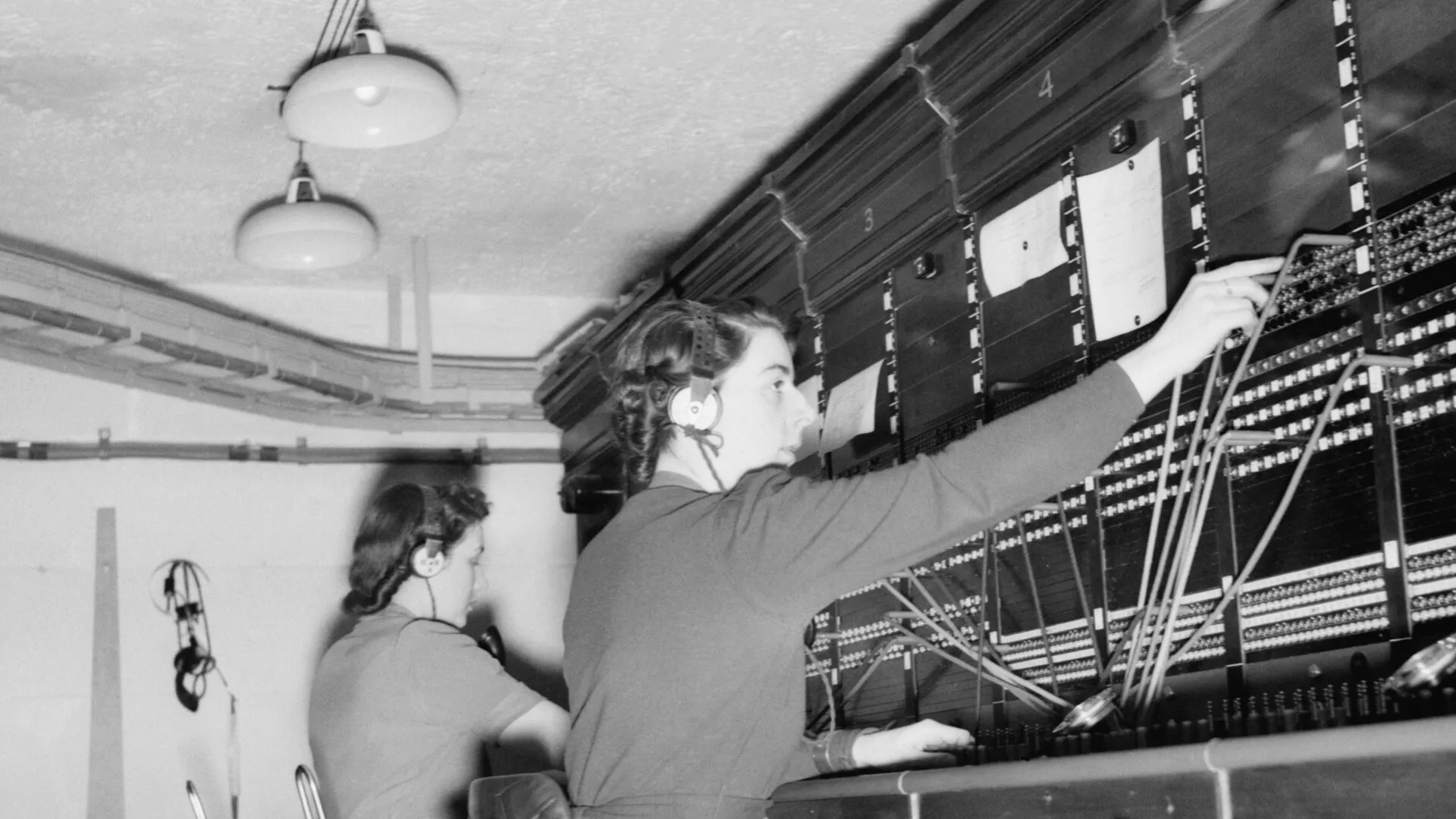
London could not direct or support clandestine networks without communications. Radios connected field organizations to headquarters, allowed requests for supplies, carried operational reporting, and helped coordinate activity. They also created danger.
Wireless transmission could be detected. Schedules and procedures had to be followed. Messages had to be enciphered and sent under pressure. Security checks could reveal whether an operator was acting freely—or whether an adversary had captured the set and was controlling the traffic. A single failure could compromise more than one person.
This is where the phrase “secret army” becomes misleading. An army normally occupies ground, maintains visible command relationships, and can reinforce its units. SOE networks often worked with imperfect information, fragile communications, contested loyalties, and no guarantee that London understood the local situation. Headquarters could advise, supply, or order. It could not remove the consequences from the people on the ground.
SOE also created conflict inside Whitehall
The creation of a new organization did not eliminate the institutional tensions that preceded it.
SIS worried that sabotage and resistance activity could expose intelligence sources or disrupt collection. Military commands did not always want to release aircraft, personnel, or equipment for clandestine missions whose effects were difficult to measure. Diplomats had to consider the political consequences of supporting particular movements. Governments in exile had their own priorities and internal divisions.
These were not merely bureaucratic quarrels. They reflected real strategic tradeoffs.
Should a network act now or remain quiet for a future invasion? Was a target important enough to justify the risk to agents and civilians? Which resistance group should receive arms? Could a local operation provoke reprisals greater than its military value? Would propaganda, sabotage, intelligence collection, and political objectives point in the same direction?
SOE existed because Britain needed action. Its most difficult decisions were often about when action would help.
Success was real—and hard to measure cleanly
SOE helped resistance groups, attacked infrastructure, supported deception and military operations, and connected occupied territories to the Allied war effort. Its work in France became especially important as the Allies prepared for and advanced after D-Day. Elsewhere, its country sections operated under different political, military, and geographic conditions.
But clandestine warfare resists simple scorekeeping.
A destroyed bridge can be photographed; the delay it caused may still be disputed. A resistance network may contribute valuable reporting and local control while also deepening political rivalries. An operation that failed tactically might reveal a vulnerability; a dramatic success might provoke devastating retaliation. Wartime organizations also had incentives to defend their budgets, methods, and reputations.
Serious history therefore has to hold two ideas at once. SOE made important contributions to the war, and not every mission, claim, or postwar legend should be accepted without scrutiny.
The scale of the surviving archive reinforces that point. The National Archives’ SOE holdings include headquarters files, country and regional records, personnel files, histories, and war diaries. They do not produce one uncomplicated verdict. They show an organization learning, improvising, competing, succeeding, failing, and asking people to accept extraordinary risks.
Why the story begins in London but cannot remain there
SOE was directed through offices, ministries, training systems, workshops, airfields, and communications facilities spread across Britain. London remained central because political authority, interdepartmental conflict, and strategic direction converged there. Yet the organization’s work immediately pushed beyond the capital.
That geography is visible in the Tradecraft Travel London espionage history map. St. Ermin’s and the Westminster intelligence district show the early institutional setting. Baker Street became closely associated with SOE headquarters. Other sites point toward training, research, communications, departure, and the wider machinery required to send people into occupied territory.
The map also explains why the strongest way to understand British intelligence history is not to collect isolated landmarks. Buildings matter because of the relationships among them: hotel rooms and government departments, headquarters and training schools, wireless sets and listening stations, resistance networks and wartime command.
British intelligence history extends beyond London for the same reason. Bletchley Park belongs to the system because intercepted communications had to be collected, broken, assessed, and used. Cambridge belongs because elite institutions could produce both service and penetration. Salisbury belongs because the methods and consequences of state intelligence operations did not end in 1945.
What SOE reveals
Britain created SOE because the fall of Europe produced a gap between what conventional forces could reach and what strategy required.
The organization was an answer to that gap—not a clean answer, and never an uncomplicated one. It brought together sabotage, subversion, resistance support, training, communications, and clandestine operations. It recruited people whose usefulness came from language, background, adaptability, and courage. It also generated rivalry, political risk, security failures, and arguments about control that were inherent in the mission.
SOE’s history is therefore larger than the familiar instruction to “set Europe ablaze.” The phrase captures urgency and intent. It does not capture the patient work of building networks, the discipline of communications, the difficulty of choosing partners, or the human cost when security failed.
That is why SOE belongs in War Rooms & Walk-Ins. The story connects rooms in Westminster to decisions made across Whitehall, preparations elsewhere in Britain, and operations carried out under occupation. Reading that ground means following the system—not just visiting the most famous address.
Continue the briefing
This is Chapter 2 of Reading the Ground — London, a historical series tracing the people, institutions, decisions, and places that shaped British intelligence.
Read Chapter 1: St. Ermin’s—Where Britain’s Secret War Came Together.
Chapter 3 will move beneath Whitehall to examine how intelligence reached Britain’s wartime leaders, how underground command spaces shaped decision-making, and why information mattered only when institutions could assess and act on it.