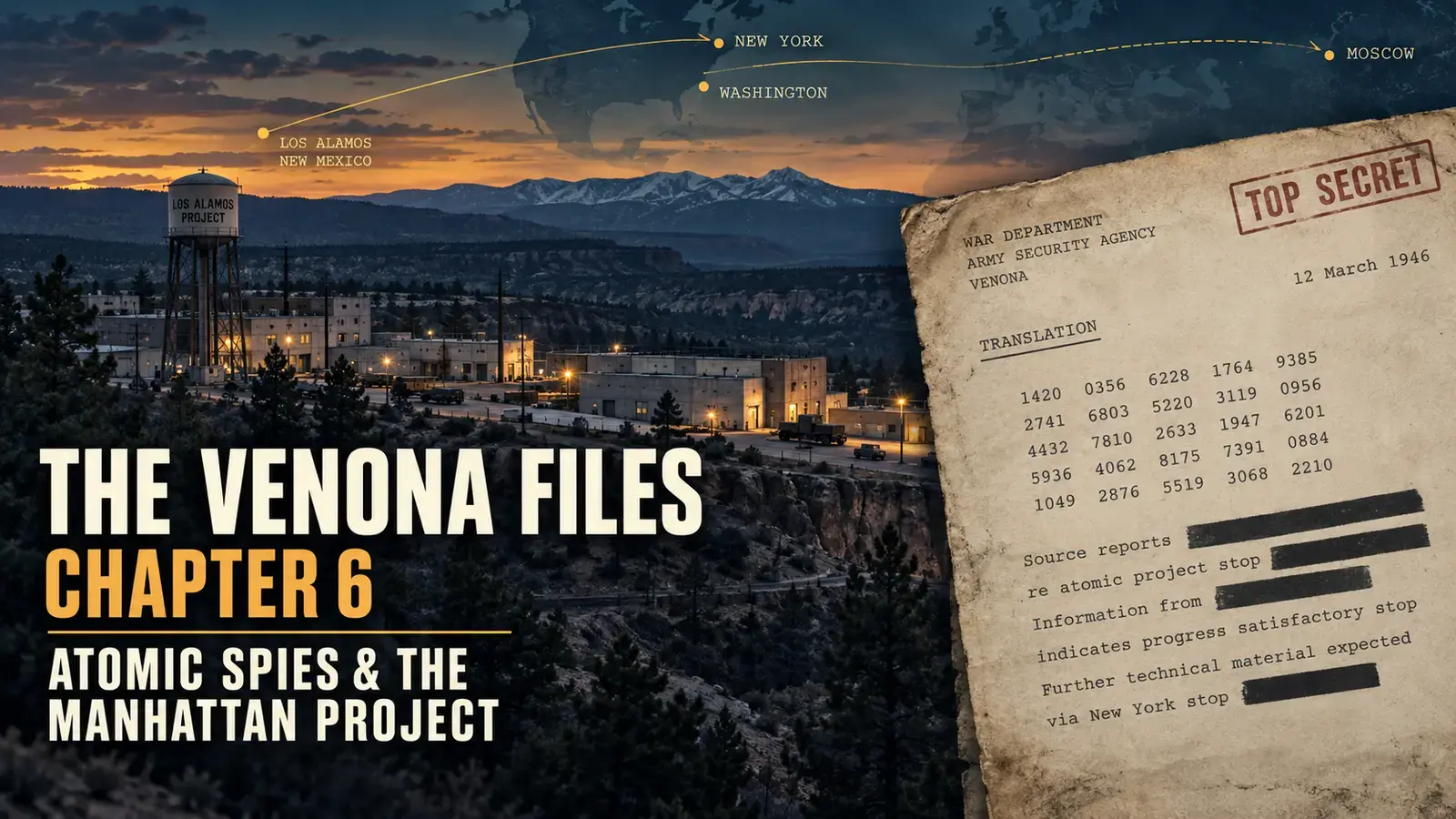

The VENONA Files · Chapter 8
In 1948, an FBI field office could receive an important espionage lead without being told where it had come from.
A letter concerning Max Elitcher illustrates the arrangement. Information recovered from Soviet communications entered an investigation under the description of a highly sensitive source. The people receiving it were given something to pursue. Access to the cryptologic program behind it remained tightly controlled.
FBI historian John Fox’s account of VENONA’s early use describes this practice. Sanitized intelligence moved to investigators and, at times, senior officials while the source’s nature stayed concealed. Receiving a finding did not necessarily mean being briefed on how it had been obtained.
That is a useful place to begin the question at the heart of this chapter. Why did an intelligence success with such important consequences remain outside public view for decades?
Chapter 7 followed code names into the Rosenberg case and separated identification, knowledge, conduct, and courtroom proof. Here, we follow a different set of decisions: how to use the intelligence, who could know its source, and when the public could finally examine the record.
A finding could reveal a capability
Publishing a decrypted message would have disclosed more than its account of a Soviet source or meeting. It would also have shown that American cryptanalysts could recover part of a communications system its users expected to be secure.
The FBI’s history of the early Cold War explains that VENONA information was kept out of court cases to avoid revealing the source to the Soviet Union. Investigators could use its leads, but prosecution required other evidence.
The operational reasoning is understandable. Disclosing a capability helps an adversary assess what has been exposed and where to change its behavior. Even an old message can reveal a sensitive method or illuminate which relationships investigators are following.
That does not mean the government had a limitless reason to withhold everything. It means that the decision to release a particular finding required attention to what else the release would disclose.
In my reading, the essential question is specific: what would become harder to protect or investigate if this document entered public view? A persuasive answer has to identify a consequence, rather than rely on secrecy as its own justification.
The material was old; the work was continuing
There is an easy way to misunderstand VENONA: imagine American analysts listening to a live Soviet conversation for half a century.
The major work concerned a limited body of intercepted traffic from earlier years. Analysts continued recovering text, refining translations, identifying code names, and comparing the results with other information. The age of a message and the date it became useful could be far apart.
The NSA’s official history records why work continued until October 1, 1980: customer agencies still had investigative leads to pursue and unidentified code names to examine. Ending the effort required an assessment of what further work was likely to produce.
The final years make that distinction tangible. Between 1978 and 1980, NSA issued thirty-nine first-time translations and reissued eight others. The program was still producing results, although their principal value was increasingly to counterintelligence research. The final assessment also recognized diminishing returns: the material was aging, supporting records and investigations were harder to pursue, and the most important traffic had already been thoroughly examined.
This helps explain why secrecy could outlast the wartime circumstances that produced the messages. A document might concern an old event while still contributing to an unresolved investigation.
Closing the project in 1980 answered whether further cryptanalytic work justified the effort. It did not, by itself, answer which existing records could safely be opened. Those were separate decisions, and the public release would come nearly fifteen years later.
It also reminds us to keep the timeline straight. We need the date of transmission, the date of recovery, the date of an identification, and the date an investigator could act. Combining those into one date makes the past look much more straightforward than it was.
Sharing was necessary—and vulnerable
Secrecy did not mean that VENONA belonged to one organization working alone. The joint NSA–CIA documentary collection describes cooperation among American cryptologic organizations, the FBI, CIA, British services, and other allied partners.
Different organizations brought different parts of the problem. A cryptanalyst could recover a description. An investigator could test it against employment, travel, family relationships, and other records. Cooperation could make both sides’ work more effective.
Sharing also created opportunities for betrayal. Kim Philby, serving as a British liaison officer in Washington from 1949 to 1951, received VENONA summaries and visited Arlington Hall. A Soviet agent, William Weisband, worked inside Arlington Hall’s Russian section. The NSA history describes both penetrations.
The implication deserves care. VENONA’s long public secrecy did not amount to complete Soviet ignorance of the effort. At the same time, warning Moscow could not recall the intercepted messages already held by the Americans.
That leaves an uncomfortable question: if the adversary already knew, whom was the continuing secrecy protecting? I would separate knowledge that a program existed from knowledge of precisely what it had recovered. A warning about a broken system and a complete set of translated messages could expose different things. Publishing particular texts could help people assess which contacts, meetings, or past activities investigators understood. This distinction helps explain why a compromise need not end every reason for protection. It cannot, on its own, justify withholding the entire record indefinitely.
My reading of this history is that protection and cooperation had to be managed together. Restrict access too severely and useful information cannot reach the people who can investigate it. Share too broadly—or trust the wrong person—and the protection can fail from within.
A lead was still a lead
Secrecy created a second problem for investigators. Knowing where to look was different from having evidence that could be presented, challenged, and evaluated in court.
A partially recovered Soviet message could point toward someone. Establishing the person’s identity, access, activity, and intent required further work. An investigator needed to consider errors, alternative explanations, and what evidence could support a charge.
Fox’s FBI history shows that early identifications developed through that process. Details about ANTENNA’s wife, Ethel, helped eliminate Joel Barr as a possible match. Investigative information and cryptanalysis worked upon each other; a name was not simply produced by a machine.
That matters when we read the archive now. A released translation may contain an identification added or revised after the original investigation. We should ask which version was available at the moment under discussion.
The Judith Coplon case shows how quickly these concerns could become practical. In Fox’s account of the investigation, a newly recovered wartime message reached FBI agent Robert Lamphere on December 31, 1948. It described a young woman moving to Washington to work at the Justice Department. Investigators identified Coplon as the likely match and began checking her activities. An old communication had pointed toward a current security problem.
Her 1949 prosecution then opened a different problem. Defense demands brought underlying FBI reports into the proceedings, exposing sensitive information about the Bureau’s work. Fox argues that VENONA escaped a more direct threat because the defense did not pursue the original basis for the investigation. The intelligence had helped investigators find someone to examine; bringing the resulting case into court created questions the source’s custodians could not simply control.
Imagine being responsible for that decision. You want to stop the loss of information, establish what happened, and preserve a capability that may identify other penetrations. The person accused must also be able to contest the case. Which risks would you accept, and who should decide?
Secret intelligence could guide a search without becoming the evidence heard by a jury. That distinction belongs at the center of any explanation of VENONA’s value and its limits.
The public paid a price for the missing record
While investigators worked within a restricted circle, citizens and historians had to assess espionage controversies without access to an important body of underlying material.
That absence made public understanding harder. People could examine testimony, trial records, statements, and competing accounts, but they could not inspect the decrypts themselves. Nor could they evaluate the gaps, qualifications, and changing identifications within those documents.
In my view, this is a real cost of secrecy even where protection serves a valid purpose. Government can possess evidence the public cannot assess. That creates a responsibility to revisit the need for withholding it and to explain the record carefully when release becomes possible.
The cost should not be used to flatten the history into a claim that every accusation was justified or that every concern about prosecution was misplaced. The questions remain individual: what did this person do, what established it, and what was known at the time?
I find it useful to place two readers beside the same file. One is an investigator who knows why a clue matters but cannot explain its origin. The other is a citizen asked to assess a contested allegation without that clue. Both face a genuine limitation. Protecting the source may serve an investigation while leaving the public unable to judge the government’s account. How should officials weigh that cost as years pass and the original operational circumstances recede?
Releasing an archive gives readers better tools to answer those questions. It does not relieve them of the work.
In 1995, the audience changed
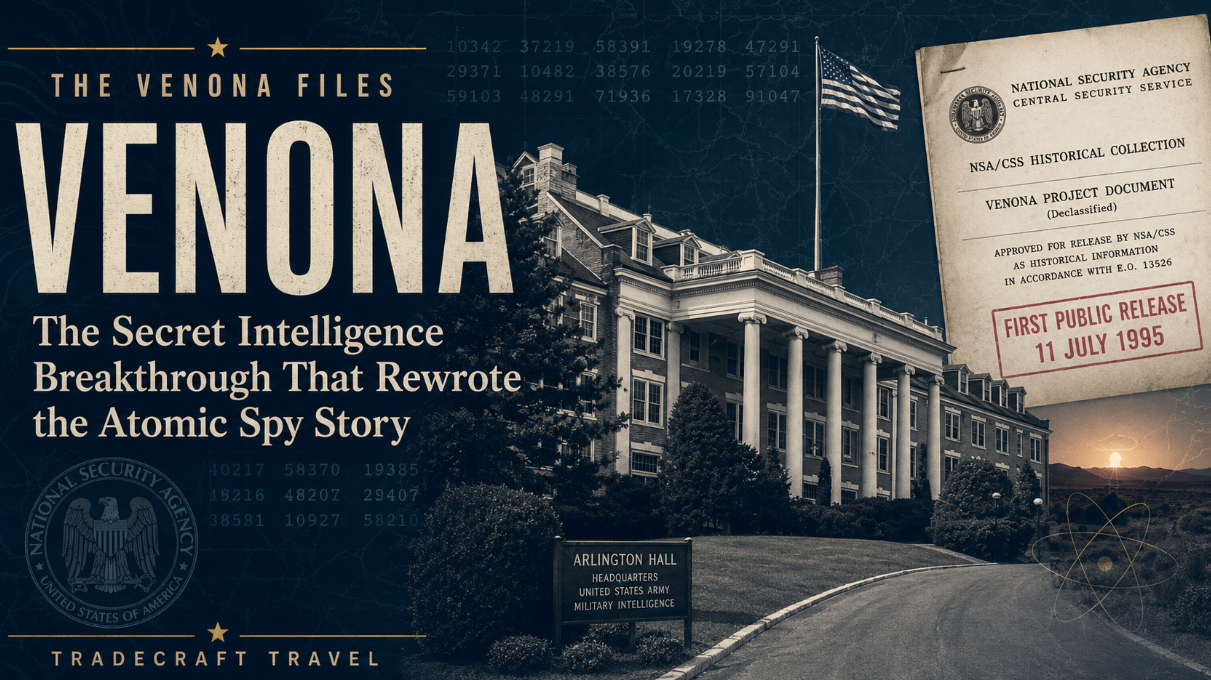
In July 1995, Director of Central Intelligence John Deutch publicly released the first group of VENONA translations at CIA Headquarters. The foreword to the 1996 NSA–CIA collection presents the ensuing documentary release as an opportunity for historians and the public to examine material previously held closely.
The CIA’s announcement on July 11, 1995 described an initial release of forty-nine messages concerning atomic espionage. Senator Daniel Patrick Moynihan, chairman of the Commission on Protecting and Reducing Government Secrecy, took part alongside intelligence and FBI leaders. Cryptologists whose contributions had long been concealed were publicly honored. The occasion made both the documents and the people behind their recovery visible.
The archive opened in stages. Six releases ultimately made approximately 3,000 translations available, as NSA’s VENONA document collection explains. Declassification also involved choices about privacy: some names were initially withheld, and later releases restored some of them. Opening the record required attention to people mentioned in messages as well as to the intelligence methods behind their recovery.
The long interval between shutdown and disclosure remains worth examining. The reasons for protecting a working investigation in 1950 cannot simply be carried forward unchanged to a historical archive in 1995. What had ceased to be sensitive? What still needed protection? What could the public now learn that it should have been able to examine earlier?
Researchers could now read Soviet messages alongside American responses, compare identities and dates, and ask how the intelligence had shaped events. The source that had once been disguised in an investigative letter became something a reader could inspect.
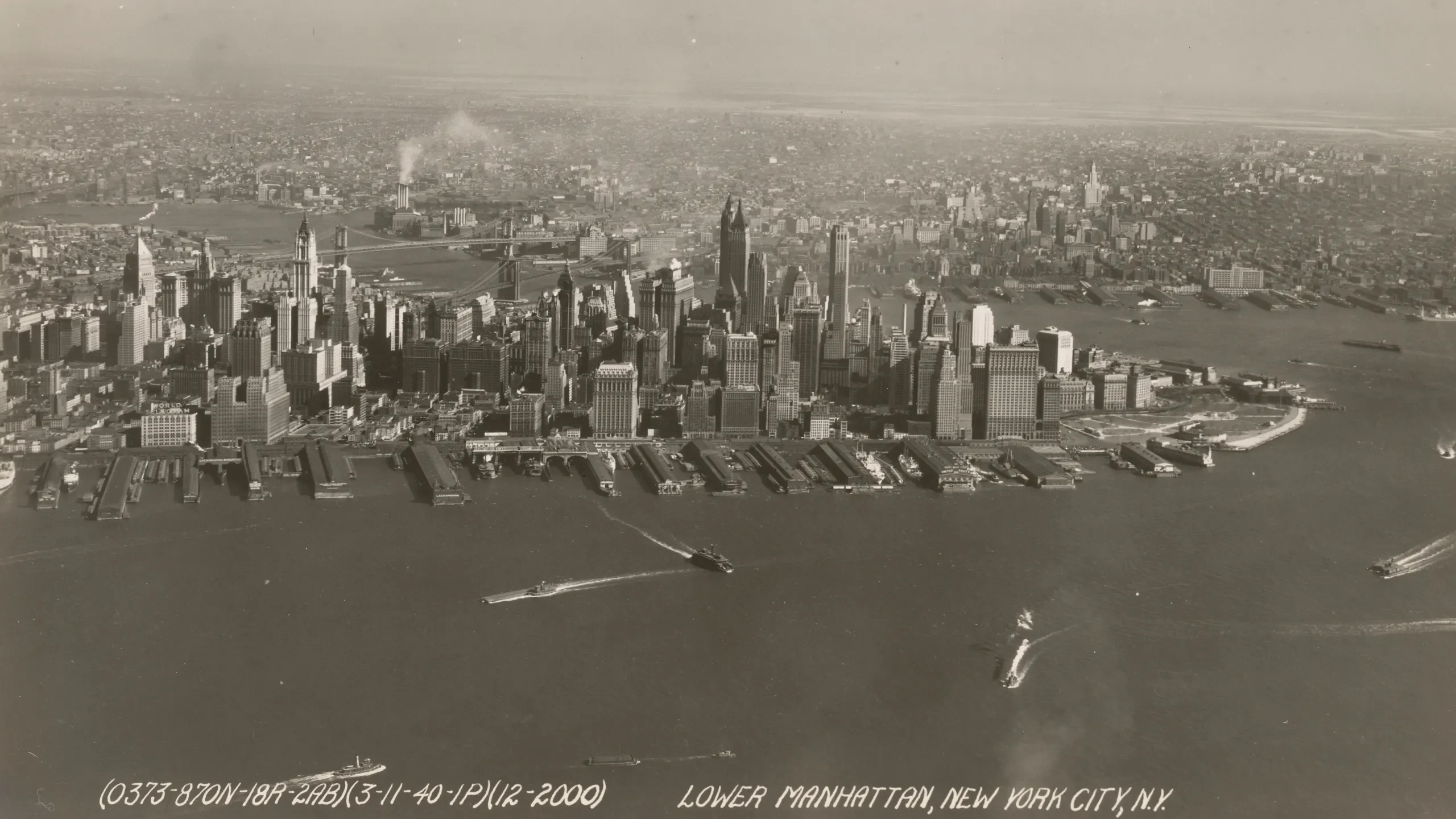
Those records are also a way back to places. Arlington Hall held the cryptologic work; Washington held agencies making decisions about its use; New York held important investigations and Soviet networks. Our Washington, D.C. espionage history map helps connect the institutional story to the city, while the Espionage Network Atlas offers another route through the people and their documented relationships.
That geography helps shape Codebreakers & Atomic Spies, Tradecraft Travel’s developing journey through the places behind the history. Its nonbinding interest list lets you follow the program’s development without reserving a place.
VENONA stayed secret because officials placed a high value on protecting its source, methods, and continuing use. Its history also shows that protection was imperfect and withholding the record had consequences of its own.
The final chapter, Why VENONA Still Matters, will examine what remains useful in that history. Continue through The VENONA Files with one question in mind: how should an intelligence success eventually become a public record?