The VENONA Files · Chapter 9
When Alexander Vassiliev left Russia for London in 1996, his notebooks stayed behind. They held a record of Soviet intelligence files he had been allowed to read, including accounts of espionage in the United States. Five years would pass before he retrieved them.
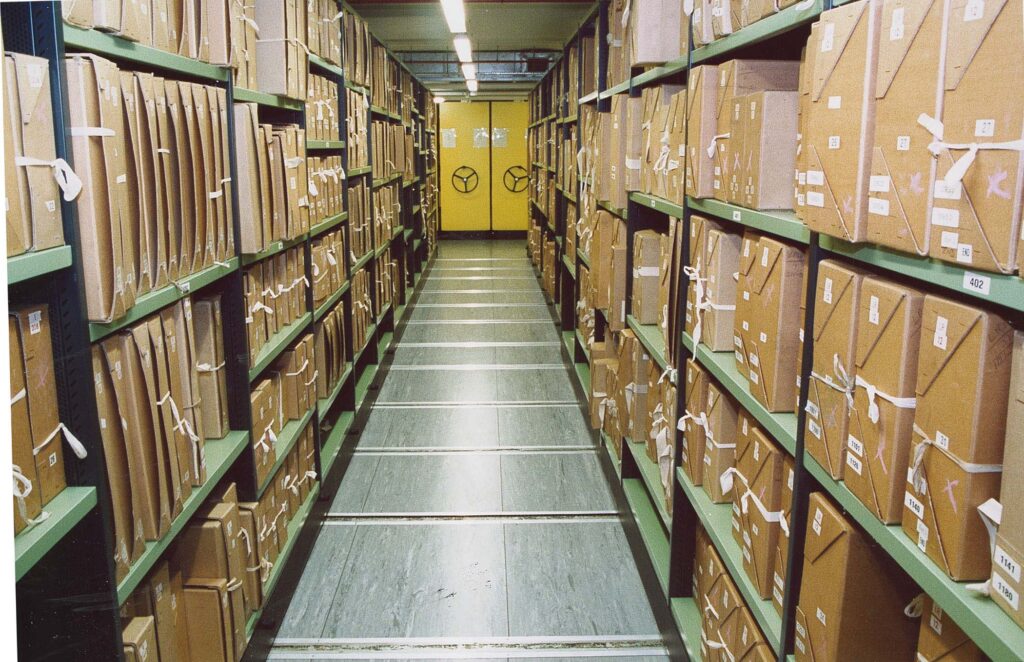
Vassiliev was a former KGB officer who had become a journalist. During the mid-1990s, a book project supported by Russia’s foreign intelligence service gave him unusual access to its holdings. He copied passages, summarized documents, and added notes. The Library of Congress account of his papers traces how those notebooks eventually helped him and historians John Earl Haynes and Harvey Klehr write Spies: The Rise and Fall of the KGB in America, published in 2009.
By then, researchers also had the declassified VENONA translations: Soviet messages that Western codebreakers had spent years trying to read. Here was a chance to compare what had been recovered from intercepted communications with accounts drawn from Soviet intelligence’s own files. The two sources overlapped, but each contained things the other lacked.
The results could be quite specific. As Haynes’s comparison of the two collections explains, some notebook passages supplied the full text of messages that VENONA had only partly recovered. The notebooks helped put names to previously unidentified people and corrected some earlier identifications. VENONA, in turn, supplied identities missing from the notebooks. Reading them together made more of the history visible.
It still required care. Vassiliev’s access had been restricted, and his notebooks preserved transcriptions and summaries rather than opening the original Soviet files to everyone. The Wilson Center made the notebooks and translations available for other researchers to examine. They offered valuable evidence, with limits that readers needed to understand.
That seems a fitting place to finish this series. Even after a secret message becomes readable, there is more to find out. Who wrote it? What did the writer actually know? How does it fit with evidence from elsewhere? A name or a paragraph can change the picture, but only if someone recognizes its significance and checks it against the rest of the record.
Long before historians could compare these collections, VENONA’s codebreakers and investigators were doing related work with the fragments available to them. A recovered passage might describe a person’s job or travel without giving a real name. An investigator could check those details against people and events. What the investigation found could then help the codebreakers understand another passage. The NSA’s history of VENONA describes how closely the cryptanalytic and investigative work depended on each other.
Follow a report through that process and the familiar divisions in intelligence begin to look less tidy. A person with access to a secret supplied information to Soviet intelligence. That was human intelligence, or HUMINT: information obtained through people. A report about the activity went into an encrypted message. Intercepting and deciphering it became part of signals intelligence, or SIGINT. The recovered text could then send an investigator looking for the person who had supplied the information in the first place.
Every part depended on people making judgments, including judgments about whom to trust with the results. Kim Philby was read into VENONA through his work as a British intelligence liaison officer in Washington. The joint NSA–CIA history records that he regularly received translations and analyses after arriving in autumn 1949. Cooperation had given a Soviet agent access to findings about Soviet espionage. The very information being used to uncover penetrations could reach someone helping to protect them.
Seen this way, VENONA becomes a story about what happens to information as it passes between people. Getting a message, understanding it, and deciding what to do about it are connected problems. A breakthrough in one part of the work can depend on patient effort somewhere else, and a failure of trust can affect much more than one office.
The historians working with Vassiliev’s notebooks continued that effort to connect the evidence, with the advantage of records unavailable to the original investigators. We have that advantage as readers, too. It lets us see more of what happened, provided we remember that people making decisions at the time had a less complete view. The questions they couldn’t answer are part of the history.
This is why I chose VENONA for Tradecraft Travel. It touches critical espionage history, from Soviet penetration of Western institutions to atomic espionage, while letting us follow HUMINT and SIGINT as interwoven parts of the same story. It also gives us a “tooth-to-tail” view of intelligence: why information was wanted, how it was obtained and assessed, and how it was used. Alongside that runs counterintelligence, the work of identifying the people taking secrets and deciding how to respond. Following the whole process helps explain how an individual act of espionage could have consequences far beyond the person who carried it out.
That thinking shaped War Rooms & Walk-Ins in London and the developing Codebreakers & Atomic Spies journey in the United States. A place becomes more interesting when we understand its part in the work. A university helps explain how relationships formed. A laboratory raises questions about access to knowledge. An intelligence office brings us to the people trying to interpret a report and decide what should happen next.
For our espionage history tours, that means looking at the people and relationships around a place as carefully as the building itself. Who could meet there, and what brought them together? Where did the information go afterward? Those questions help turn separate stops into a history we can follow.
That attention to how the details fit together carries into travel more broadly. Planning a trip starts with understanding the traveler: what interests them, how they like to spend their time, and what they hope to get from being away. Whether it’s a history tour, a cruise, or another kind of journey, careful research helps make the choices fit the person.
If you’ve enjoyed following this series, you can subscribe to the Tradecraft Travel Brief for more intelligence history, new journeys, and practical travel advice.
And if you’re planning a trip of your own, I’d be glad to help you think it through.
Recommended further reading
In the Enemy’s House: The Secret Saga of the FBI Agent and the Code Breaker Who Caught the Russian Spies, Howard Blum (2018). An accessible narrative centered on codebreaker Meredith Gardner and FBI investigator Robert Lamphere. A good place to begin if you’d like a book-length story.
Spies: The Rise and Fall of the KGB in America, John Earl Haynes, Harvey Klehr, and Alexander Vassiliev (2009). The book discussed above, for a closer look at what Vassiliev’s notes from Soviet intelligence files added to the history.
VENONA Documents, National Security Agency. The released translations and related material. Try a few messages alongside the histories to see the gaps and annotations for yourself.
The Vassiliev Notebooks, Wilson Center. Scans, transcriptions, and English translations of the notebooks, with an explanation of their background and limitations.
Previous: Chapter 8, Why VENONA Stayed Secret · Explore all nine chapters of The VENONA Files