
Leipzig does not carry the same Cold War mythology as Berlin.
There is no wall running through the center of the city. No famous spy bridge. No checkpoint that became a global symbol. At first glance, Leipzig can seem like a quieter part of the story.
That is exactly why it matters.
The Cold War did not end only at the Berlin Wall. It also ended in places where fear began to fail before the world understood what was happening. Leipzig was one of those places.
For decades, East Germany had watched its citizens with extraordinary discipline. The Stasi built files, cultivated informants, monitored churches, universities, workplaces, artists, dissidents, clergy, and ordinary people whose only offense was asking the wrong question in the wrong room.
Then, in the autumn of 1989, people began gathering in Leipzig on Monday evenings.
At first, the numbers were manageable.
Then they grew.
Then they became impossible to ignore.
And eventually, the state that had spent years watching its people faced a problem no file could solve: what happens when the people stop behaving like they are afraid?
The City Before the Crowd
To understand Leipzig, you have to understand the atmosphere of East Germany.
The German Democratic Republic was not simply a country with a powerful security service. It was a country where the security service became part of ordinary life. The Ministry for State Security — the Stasi — did not rely only on uniformed officers and formal investigations. Its strength came from reach.
A neighbor could report. A colleague could report. A friend could report. Some cooperated out of ideology. Some did it under pressure. Some did it because cooperation made life easier. The effect was corrosive either way.
People learned to edit themselves.
They learned which jokes not to tell, which subjects not to raise, which rooms felt safe, and which silences were wiser than speech. A surveillance state does not need to arrest everyone. It only needs people to believe that someone might be listening.
That was the world Leipzig’s protesters stepped into.
Not a world without fear.
A world where fear had become routine.
St. Nicholas Church
The story begins, in many ways, inside St. Nicholas Church.
For years, the church had hosted Monday peace prayers. These gatherings were not mass demonstrations at first. They were quieter than that — spaces for reflection, moral seriousness, and dissent in a country where independent civic life was tightly constrained.
That distinction matters.
Authoritarian systems do not only fear political parties. They fear places where people can gather without being fully controlled. They fear churches, theaters, apartments, reading groups, student circles, and informal networks because those spaces allow trust to form.
Before a crowd enters the street, people have to learn that they are not alone.
In Leipzig, the Monday prayers helped create that knowledge.
People came with different concerns: peace, reform, freedom of travel, the right to speak honestly, the right to live without constant pressure from the state. After the prayers, some began moving into the streets. The ritual became familiar. Monday meant gathering. Gathering meant visibility. Visibility meant danger.
But danger shared by enough people becomes something else.
It becomes courage.
October 9, 1989
The decisive night came on October 9, 1989.
By then, East Germany was already under severe pressure. Citizens were fleeing through Hungary and Czechoslovakia. Demonstrations were spreading. The old leadership still had police, weapons, prisons, and the full machinery of repression. No one standing in Leipzig that night could know which way the state would turn.
That uncertainty is important.
Hindsight makes 1989 look inevitable. It was not inevitable to the people who were there. Only a few months earlier, the Chinese government had crushed demonstrations in Tiananmen Square. East German protesters knew that. The regime knew they knew it. The possibility of violence was not abstract.
On October 9, tens of thousands of people gathered in Leipzig.
The authorities were ready. Security forces were present. Hospitals reportedly prepared for casualties. Families worried that the evening could end in blood.
But the crowd kept moving.
They walked through the city carrying candles and fear in equal measure. A candle is a small thing, but in that setting it carried meaning. It required both hands: one to hold the flame, one to shield it from the wind. A person holding a candle is not holding a stone.
The chant that came from the crowd was simple:
“Wir sind das Volk.”
We are the people.
Not the party.
Not the state.
Not the security apparatus.
The people.
The power of that phrase was not rhetorical. It challenged the central claim of the regime. The German Democratic Republic claimed to rule in the name of the people. On the streets of Leipzig, the people answered back.
And the state did not fire.
That was the moment.
The regime did not collapse that night. The Berlin Wall did not open for another month. But something had changed. People saw that mass courage could hold. The state saw it too.
Fear had not disappeared.
But it had changed sides.
The Intelligence Failure
Leipzig belongs in an espionage story because it reveals the limits of surveillance.
The Stasi knew a great deal about East German society. It collected names, relationships, habits, grievances, weaknesses, loyalties, and suspicions. It mapped networks. It tracked dissidents. It monitored churches. It pressured citizens into cooperation. It built one of the most formidable domestic intelligence systems in modern history.
But information is not the same thing as control.
That is one lesson Leipzig teaches.
A security service can know who attends meetings. It can know who signs petitions. It can know who has relatives in the West, who wants to leave, who complains, who reads forbidden texts, who speaks too freely after a drink.
What it cannot always know is the moment when private doubt becomes public action.
That is what happened in Leipzig.
The crowd was not secret. It was the opposite of secret. It was public, visible, and morally direct. That made it harder to manage. The old tools — files, pressure, intimidation, informants — were designed to isolate people. The Monday demonstrations did the opposite. They showed people their own numbers.
The state had spent decades making citizens feel alone.
Leipzig showed them they were not.
From Leipzig to the Wall
The road from Leipzig to the fall of the Berlin Wall was short in time, but enormous in consequence.
October 9 did not open the Wall. But it helped make November 9 possible.
The East German regime depended on the belief that it could control movement, speech, dissent, and fear. Leipzig cracked that belief in public. Once citizens saw that the state could be challenged at scale — and that the security forces might hesitate — the old rules began to weaken.
A month later, in East Berlin, a confused press conference helped trigger a rush to the border crossings. At Bornholmer Strasse, overwhelmed guards faced crowds who believed the rules had changed. The Wall opened not because the system had planned a clean transition, but because authority had already been hollowed out.
Leipzig was part of that hollowing.
It was one of the places where East Germans rehearsed courage in public before history moved faster than the regime could manage.
Why Leipzig Belongs on Dead Drops & Double Agents
On Dead Drops & Double Agents, Leipzig adds a different kind of Cold War lesson.
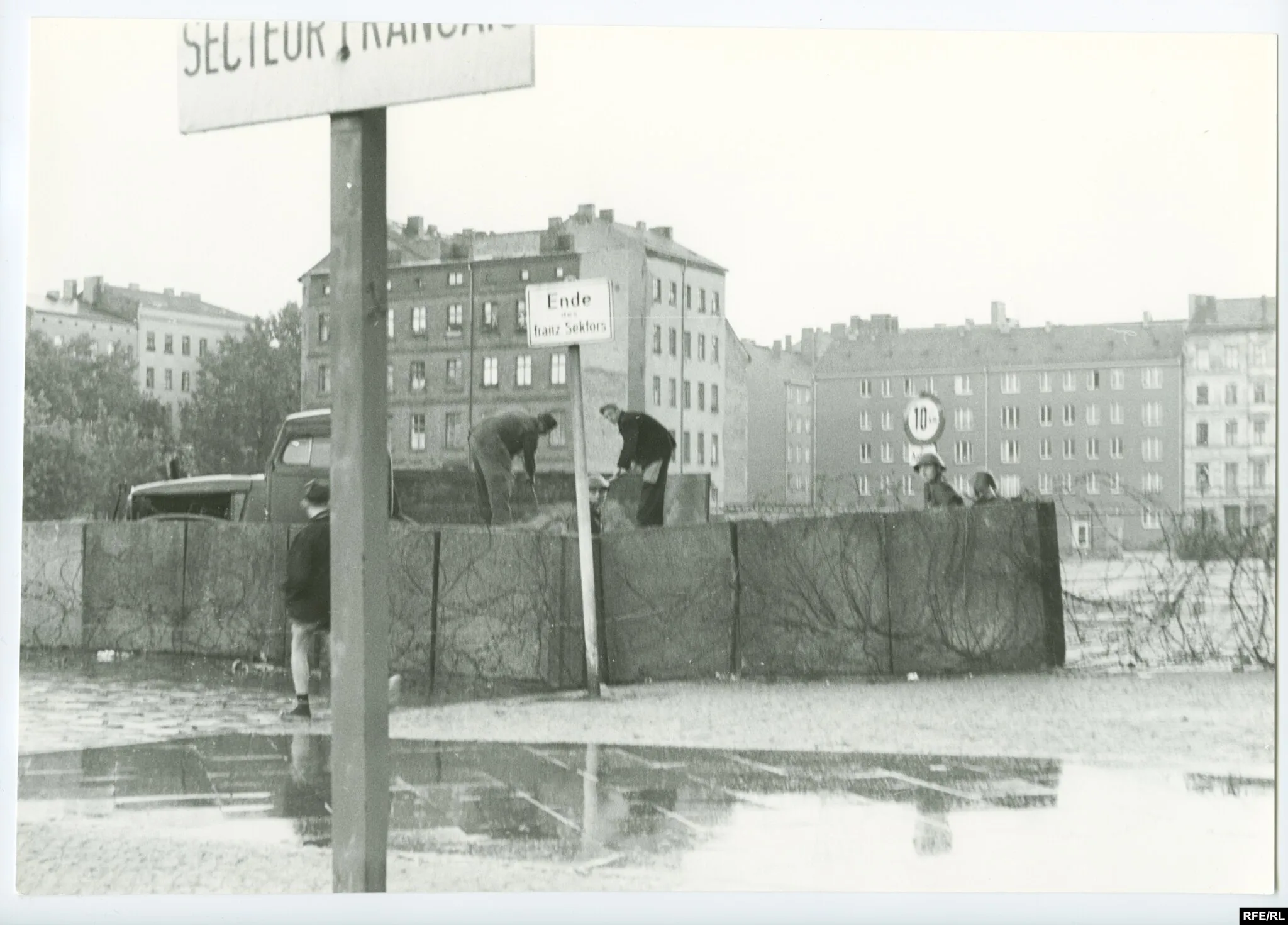
Berlin gives us the hard geography of confrontation: walls, checkpoints, controlled crossings, and the visible architecture of a divided world.
Vienna gives us ambiguity: a neutral city where diplomats, journalists, officials, and intelligence officers could move around one another in cafés, hotels, embassies, and side streets.
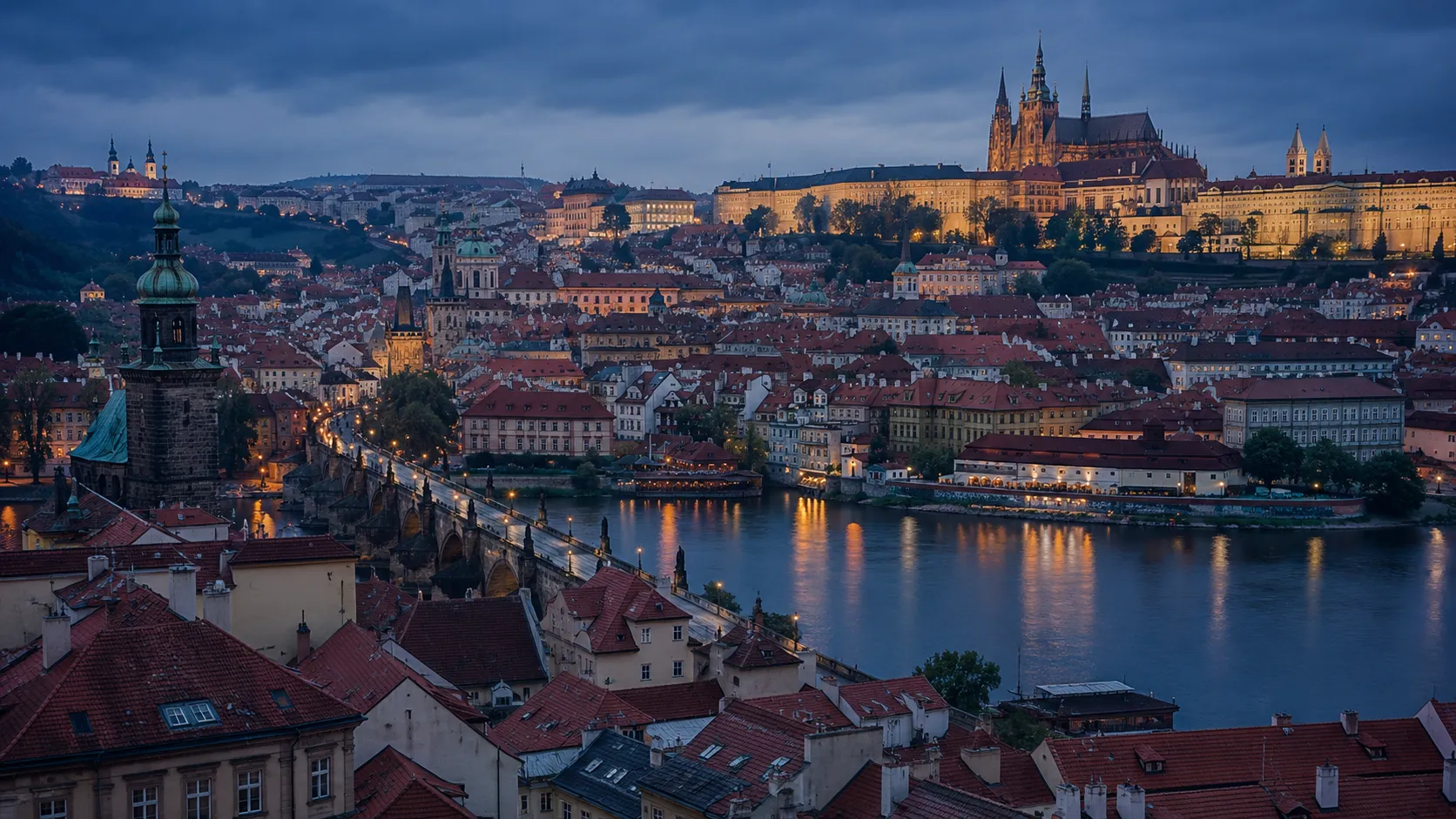
Prague gives us the intimate pressure of a surveillance state: the sense that private life itself had become political terrain.
Leipzig gives us the moment that pressure began to fail.
It reminds us that Cold War history is not only about secret meetings, double agents, dead drops, and classified files. Those things matter. They are part of the hidden architecture of the conflict.
But intelligence history is also about power. Fear. Legitimacy. Control. What a state knows. What it misunderstands. What it can monitor. And what it cannot command.
That is why Leipzig matters.
Not because it looks, at first glance, like a classic spy city.
Because it shows what happens when a system built on watching people discovers that watching is not the same as ruling them.
Reading Leipzig on the Ground
To walk Leipzig with this history in mind is to read the city differently. Use the Leipzig Espionage History Map to connect the churches, state-security sites, and demonstration routes to the city you can explore today.
A church becomes more than a church.
A ring road becomes more than a route through town.
A public square becomes more than an open space.
These places become the setting for one of the Cold War’s most important transformations: citizens moving from private fear to public courage.
That is the deeper travel experience this tour is designed to create. Not just seeing the places where history happened, but understanding why those places mattered.
In Leipzig, the lesson is not theatrical.
It is quieter and more serious.
The state watched.
The people gathered.
And then the state blinked.
Interested in the story behind the tour?
Watch the replay of our October 13, 2026 conversation with John Sipher, Silvia Cilia, and Jack Buchanan about intelligence history and the journeys it inspired.