
A serious intelligence-history journey cannot be built by collecting famous spy stories and attaching them to a conventional sightseeing route. The history is too interconnected, the cities are too important, and the human consequences are too easily lost beneath gadgets, code names, and familiar Cold War mythology.
Dead Drops & Double Agents began with a different question: How do you help travelers understand Cold War intelligence as a human contest shaped by geography, political systems, personal judgment, and pressure?
The answer became a journey through Berlin, Leipzig, Prague, and Vienna—four cities that reveal different parts of the same story.
The design problem: turn history into a coherent journey
Cold War Europe offers no shortage of material. Berlin alone contains enough intelligence history for an entire trip. Leipzig opens a window into the machinery of the East German surveillance state and the civic resistance that challenged it. Prague carries the consequences of occupation, repression, resistance, and political betrayal. Vienna adds the ambiguity of a city where occupiers, diplomats, defectors, intelligence officers, and competing services operated in close proximity.
The challenge was not finding interesting places. It was deciding what belonged in one journey—and why.
A list of famous locations might be historically accurate without producing a meaningful experience. Travelers could see a section of the Berlin Wall, visit a former Stasi facility, hear a story about a defector, and finish in Vienna without understanding how those pieces connect.
The route therefore needed an argument, not merely an itinerary.
The central thread became the human experience of intelligence: how people make consequential decisions under pressure, how political systems shape individual choices, how geography enables or constrains clandestine activity, and how trust, loyalty, fear, ambition, and betrayal move across borders.
That approach places the journey within Tradecraft Travel’s broader collection of Continental Europe intelligence-history travel, while giving this particular itinerary a distinct narrative arc.
The human story came first
Espionage is often presented through equipment, techniques, and dramatic operations. Those elements matter, but they are not the whole story.
A dead drop matters because someone took the risk of servicing it. A surveillance system matters because it affected how ordinary people worked, spoke, traveled, and trusted one another. A border crossing matters because governments controlled who could pass through it—and because some people were willing to risk everything to cross it anyway.
The most revealing intelligence stories usually turn on human judgment. Someone decides to recruit, report, conceal, defect, resist, betray, believe, or doubt. Institutions create the circumstances, but people make the choices.
That is why Dead Drops & Double Agents is not organized as a catalog of operations. The journey uses documented cases and historical sites to examine broader questions:
-
What causes someone to cooperate with an intelligence service?
-
How do surveillance states change daily life?
-
What makes an individual resist a powerful system?
-
How do intelligence officers judge credibility, motivation, and risk?
-
What happens when institutional assumptions collide with human behavior?
-
How does the same event look different from opposite sides of an intelligence contest?
These questions give the journey continuity. They also create room for discussion rather than reducing the experience to a sequence of lectures.
Why the route begins in Berlin
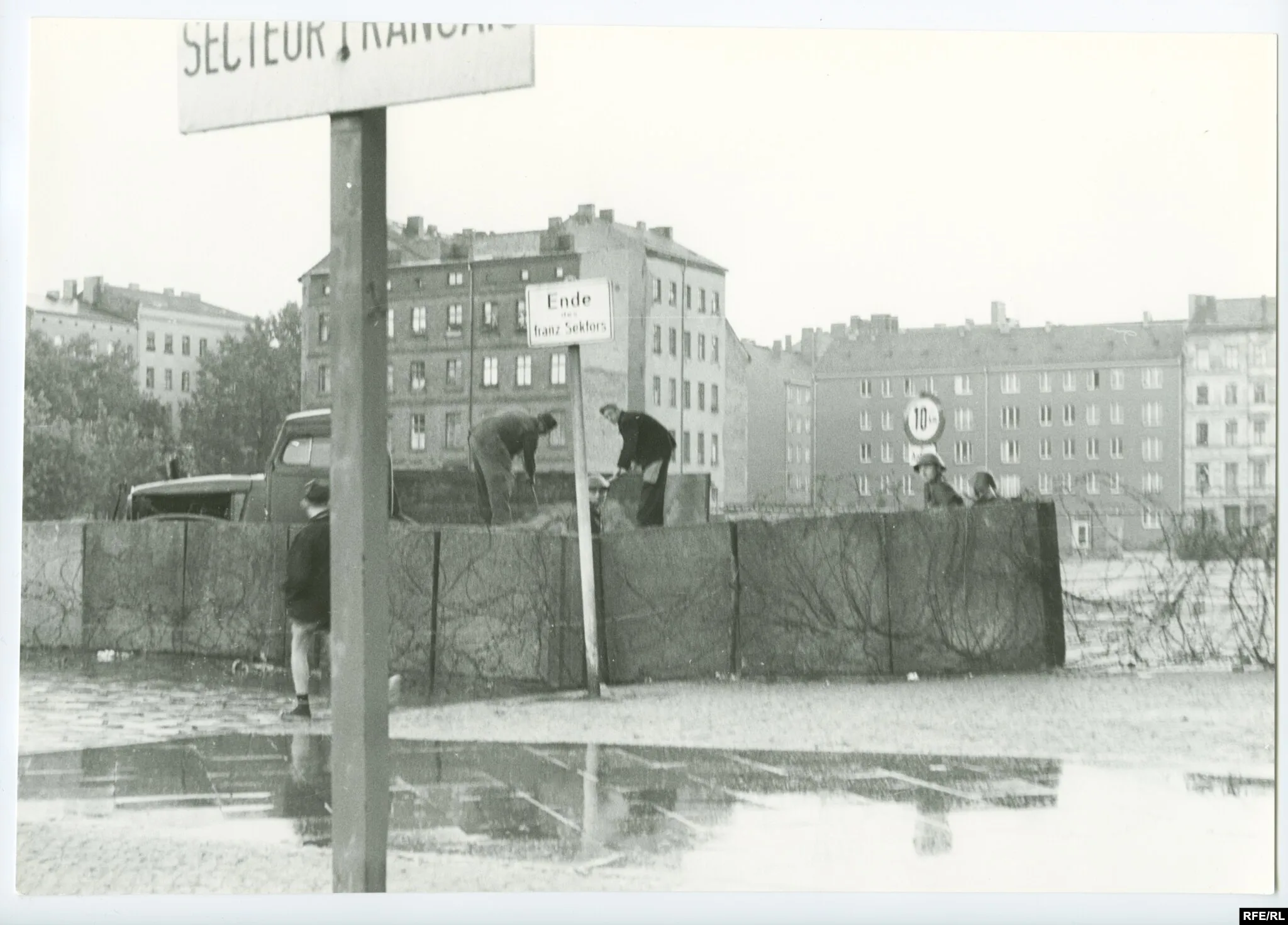
Berlin provides the clearest opening because the Cold War became physically visible there. Political division was expressed through walls, checkpoints, controlled transit routes, guarded borders, listening sites, detention facilities, and competing institutions operating within a compressed urban space.
The city makes the relationship between intelligence and geography unusually clear. A street, bridge, rail line, tunnel, or border crossing could become operational terrain because of where it sat and who controlled it.
Travelers can explore that wider landscape through Tradecraft Travel’s Berlin Espionage History Map. The map reaches beyond the published tour itinerary, but it demonstrates the research behind the route: Berlin’s intelligence history is embedded throughout the city and its surroundings, not confined to one museum or famous checkpoint.
Beginning in Berlin establishes the central conflict. It gives travelers a physical understanding of division before the journey turns toward the systems, societies, and individual decisions that division produced.
Why Leipzig must come next
Leipzig changes the scale of the story.
Berlin shows the geopolitical front line. Leipzig brings travelers inside East Germany and closer to the everyday machinery of the state. The city helps explain how surveillance functioned away from the most visible border, how the Stasi embedded itself within society, and how civic resistance could emerge within an authoritarian system.
This stop is important precisely because Leipzig is not usually the first destination named in a Cold War itinerary. Its inclusion reflects the journey’s purpose rather than a conventional tourism checklist.
Leipzig connects institutions to lived experience. It provides a setting for examining what extensive state surveillance demanded from the people conducting it, what it imposed on those being watched, and how resistance became possible even when the state appeared firmly in control.
Placed after Berlin, the city turns an international confrontation into a more intimate question: What did the Cold War mean inside the societies caught within it?
Prague broadens the meaning of resistance
The journey then moves to Prague, where the story is not simply East versus West.
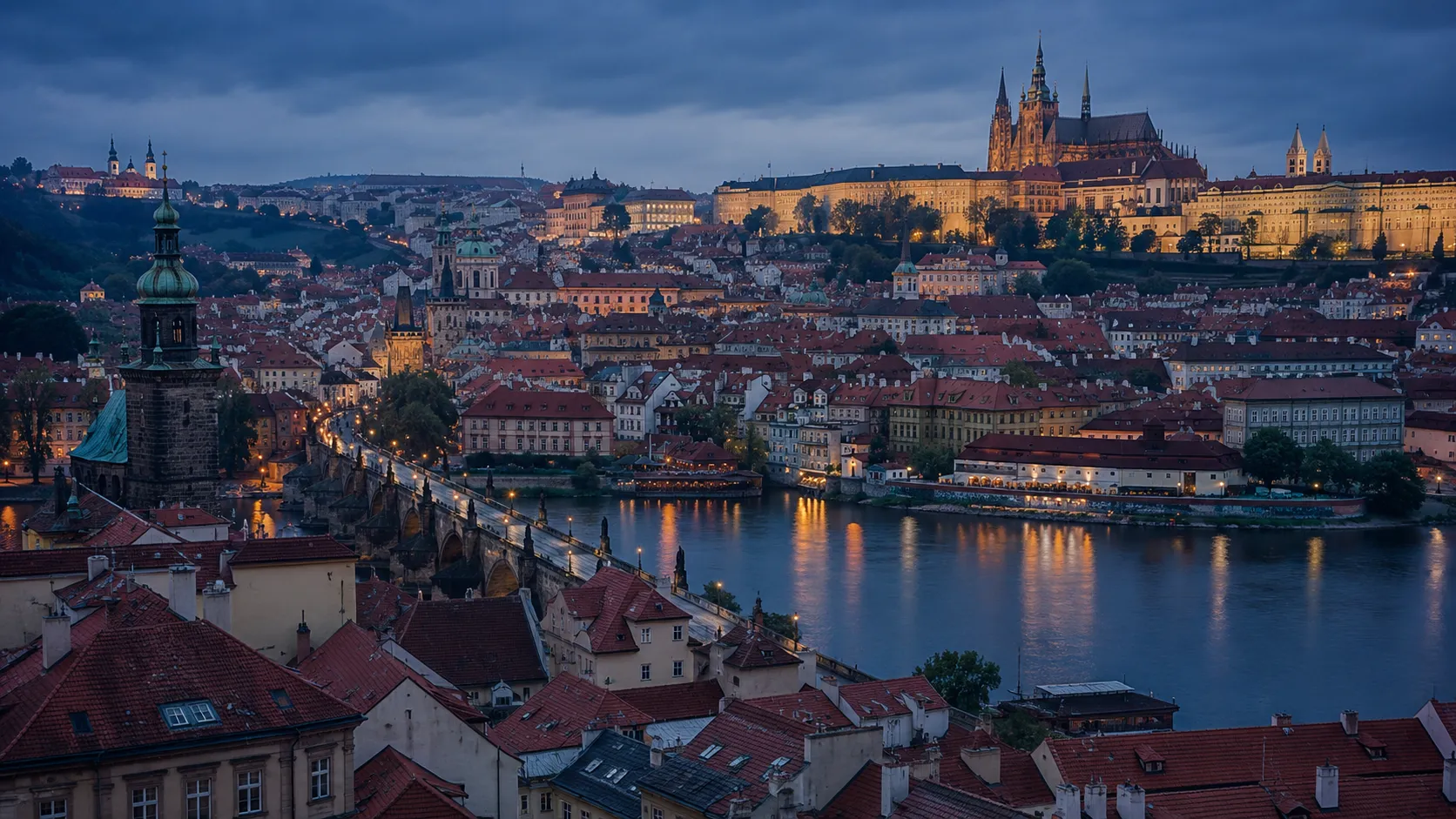
Travelers can explore the city’s wider public-history terrain through Tradecraft Travel’s Prague Espionage History Map, an independent resource that extends beyond the published journey itinerary.
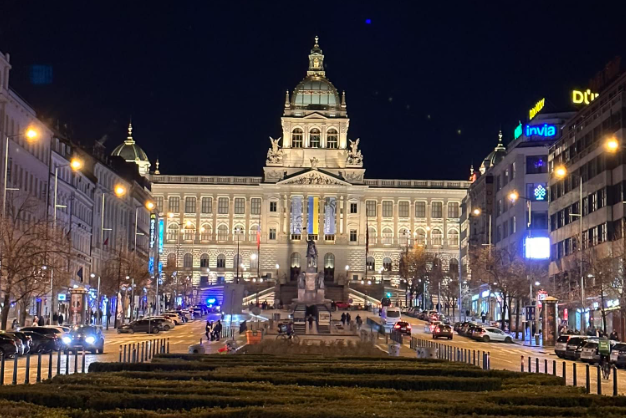
Prague introduces occupation, reform, repression, exile, resistance, collaboration, and national memory. Its history complicates easy categories. Intelligence services did not operate apart from political events; they moved through societies already shaped by war, foreign domination, ideological conflict, and repeated struggles over national identity.
The city also keeps the journey from becoming narrowly institutional. Museums, memorials, churches, public squares, government buildings, and ordinary streets reveal how historical pressure reaches beyond intelligence headquarters.
Prague therefore widens the lens. It asks travelers to consider how individuals and communities respond when power is imposed from outside, enforced from within, or challenged by people who may have few safe choices.
The city also provides an important change in pace. Travelers have time to experience Prague as a living European capital rather than treating it only as a backdrop for difficult history.
Vienna completes the arc
Vienna offers a different kind of Cold War terrain.
Rather than another visibly divided city, it presents a meeting ground shaped by occupation, diplomacy, neutrality, migration, and geographic proximity to the Eastern bloc. Its usefulness came partly from ambiguity. People and institutions from competing systems could operate near one another under circumstances different from those in Berlin or Leipzig.
That makes Vienna the right place to finish.
By the time travelers arrive, they have already encountered physical division, authoritarian surveillance, resistance, occupation, and political upheaval. Vienna allows those themes to converge in a city associated with negotiation, clandestine contact, defection, cultural exchange, and competing influence.
The journey’s sequence is therefore deliberate:
Berlin establishes the front line. Leipzig reveals the internal system. Prague examines resistance and political consequence. Vienna brings the competing worlds together.
Changing that order would change the argument.
Different people contribute different kinds of expertise
A specialized journey needs more than one kind of authority.
Tradecraft Travel created the historical framework, selected the narrative priorities, shaped the route, and determined how the experience should balance expert interpretation with the pleasures of travel. My own background in intelligence analysis and travel planning informs that process, but the journey is not designed around one person’s résumé.
The retired intelligence professionals leading the trip help travelers connect historical sites to the realities of judgment, risk, trust, deception, organizational pressure, and human behavior. Their role is interpretive: to sharpen the questions, explain how intelligence professionals approach problems, and help travelers move beyond simplified accounts.
Qualified local guides contribute another essential layer. They bring destination knowledge, local historical perspective, language capability, and experience navigating the museums, institutions, neighborhoods, and public sites through which the journey moves.
Kensington Tours supports the professional ground arrangements needed to make a complex, multi-city concept work as travel. Hotels, transportation, transfers, local services, and operating details must fit together reliably. The page explaining how Tradecraft Travel works with Kensington Tours describes that division of responsibilities in greater detail.
These roles complement one another. Tradecraft Travel does not become the tour operator, Kensington does not create the intelligence-history framework, and local destination guides do not replace the journey’s expert leaders.
The experience works because each participant contributes the appropriate expertise.
The journey begins before Berlin
Many historical locations do not explain themselves.
A traveler can stand at a former border crossing or surveillance facility without understanding why that ground mattered, who used it, what pressures shaped the people involved, or how the site connects to the next city.
That is why Dead Drops & Double Agents includes Reading the Ground, a pre-trip preparation program developed specifically for the journey.
The purpose is not to assign homework or expect travelers to become Cold War specialists. It is to provide enough context that the sites become more legible once the group arrives.
The material introduces the route’s historical arc, important people and operations, political conditions, and recurring intelligence questions. Travelers can arrive prepared to recognize connections, ask better questions, and participate more fully in discussions with the expert leaders and local guides.
This preparation also preserves valuable time during the trip. The group does not need to begin every stop with a long introductory lecture. Travelers already understand the basic terrain, allowing conversations in the field to focus on interpretation, uncertainty, consequence, and what the location reveals.
What makes this different from a conventional spy tour
The distinction is not that every minute must be serious or academic. A good journey still needs comfortable hotels, sensible pacing, enjoyable meals, cultural experiences, independent time, and room for spontaneous conversation.
The difference lies in the organizing principle.
The cities are not backdrops for a performance. The experts are not there merely to tell dramatic stories. The sites are not selected because they have the most recognizable names. Each part of the journey must contribute to a larger understanding of how intelligence history unfolded across Central Europe.
That means resisting several temptations:
-
turning espionage into costume or theater;
-
treating gadgets as more important than people;
-
presenting every historical question as though it has a simple answer;
-
filling the schedule so completely that travelers cannot absorb what they have seen;
-
using expert credentials as a substitute for careful preparation; and
-
forgetting that Berlin, Leipzig, Prague, and Vienna are compelling destinations beyond their Cold War histories.
The goal is a journey with intellectual substance that still feels like travel.
From one journey to a broader method
Dead Drops & Double Agents is one application of a larger design method: begin with the question, research the ground, identify the places where the history becomes visible, assemble the right expertise, and build the travel structure around the purpose of the journey.
The same approach can support custom intelligence-history journeys for private travelers, alumni groups, museums, professional associations, academic communities, and other groups connected by a serious interest in a place or subject.
But this route came first because Berlin, Leipzig, Prague, and Vienna tell a particularly coherent story. Together they reveal intelligence not as a collection of secrets, but as a human activity shaped by institutions, geography, political power, and individual choice.
Travelers interested in experiencing that story can review the complete route, expert leadership, preparation program, current departures, and booking information on the Dead Drops & Double Agents journey page.