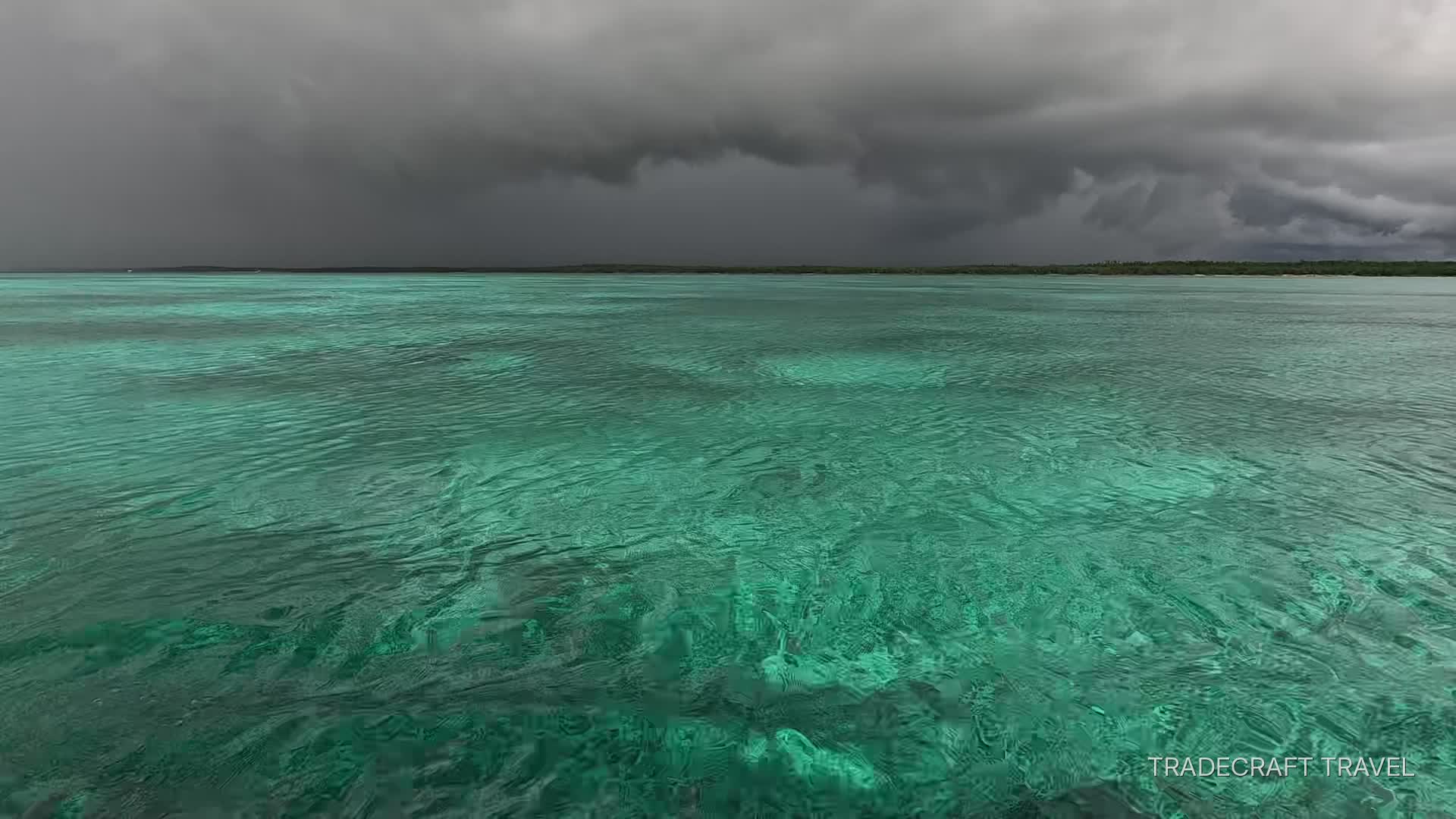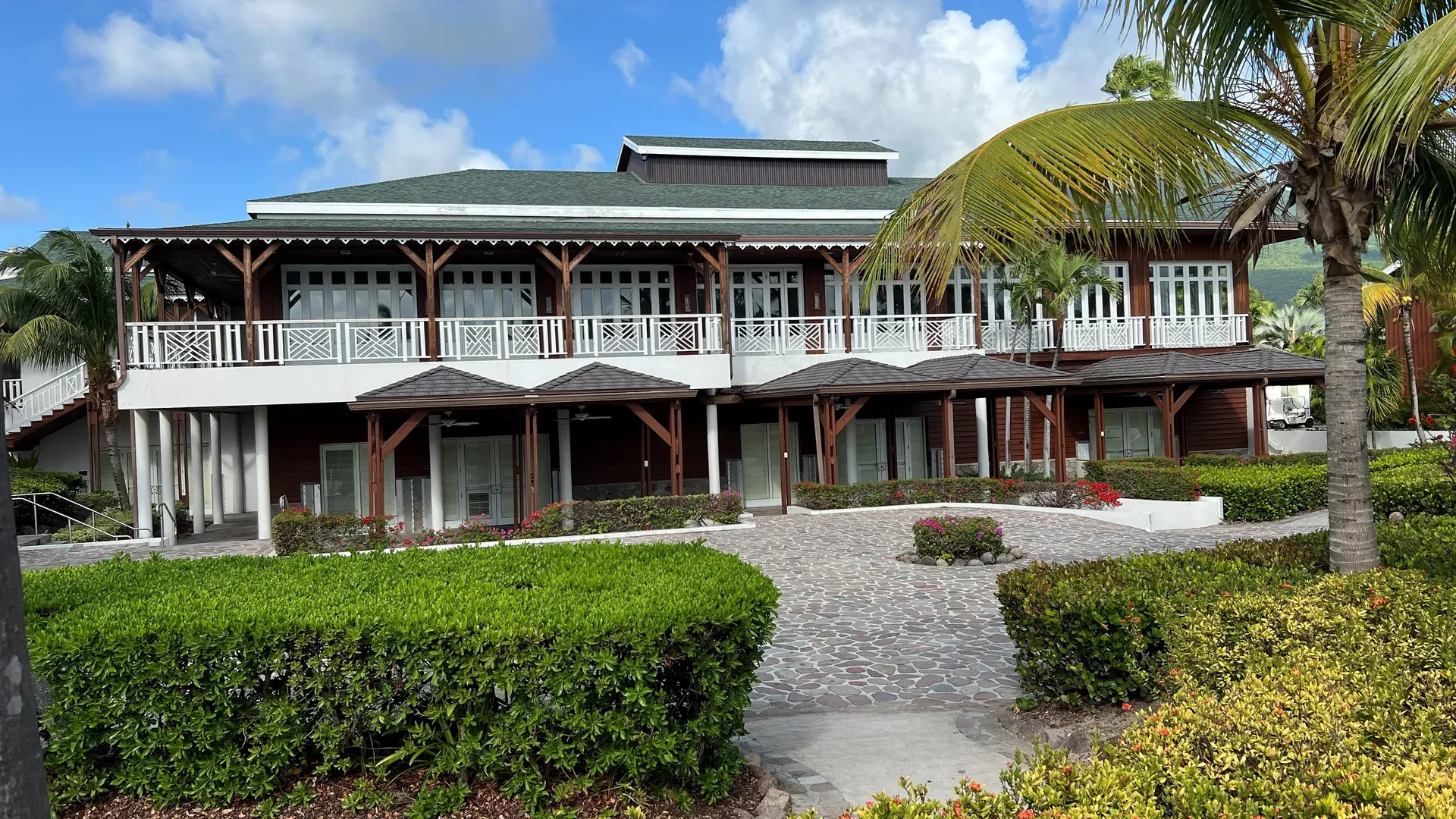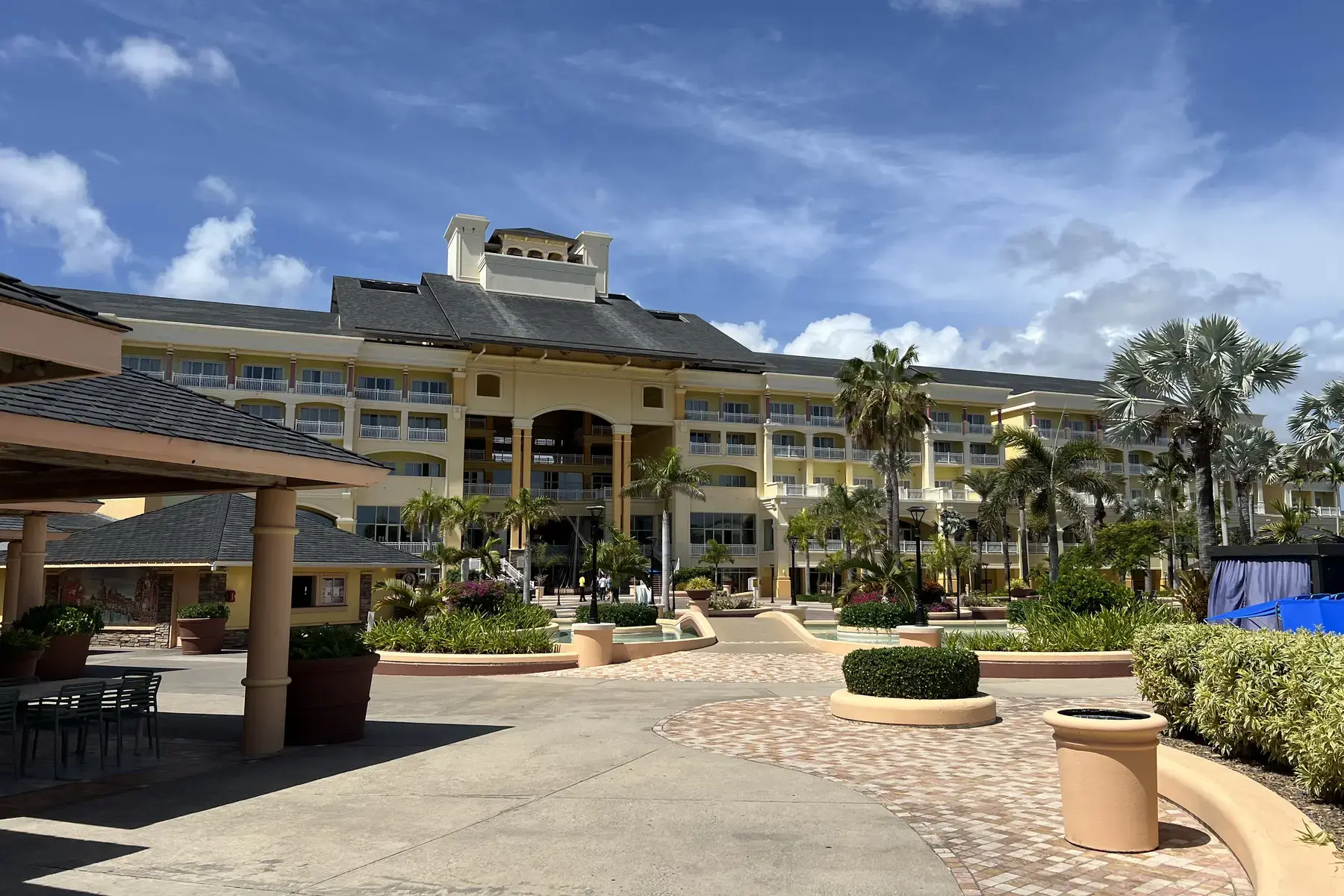
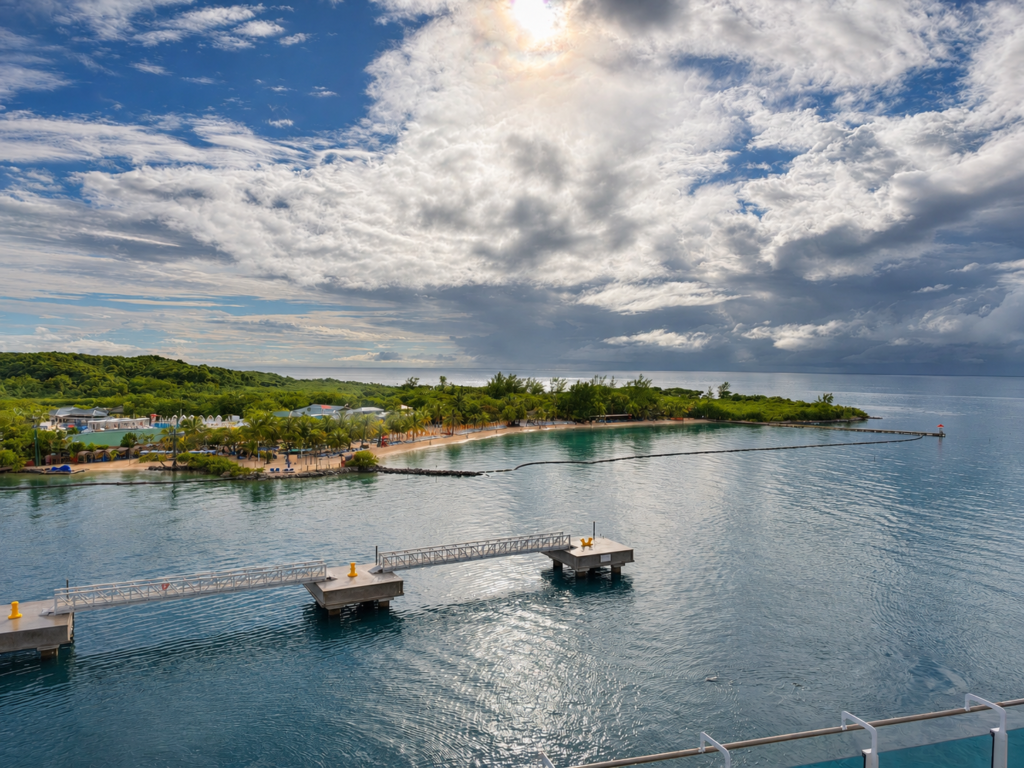
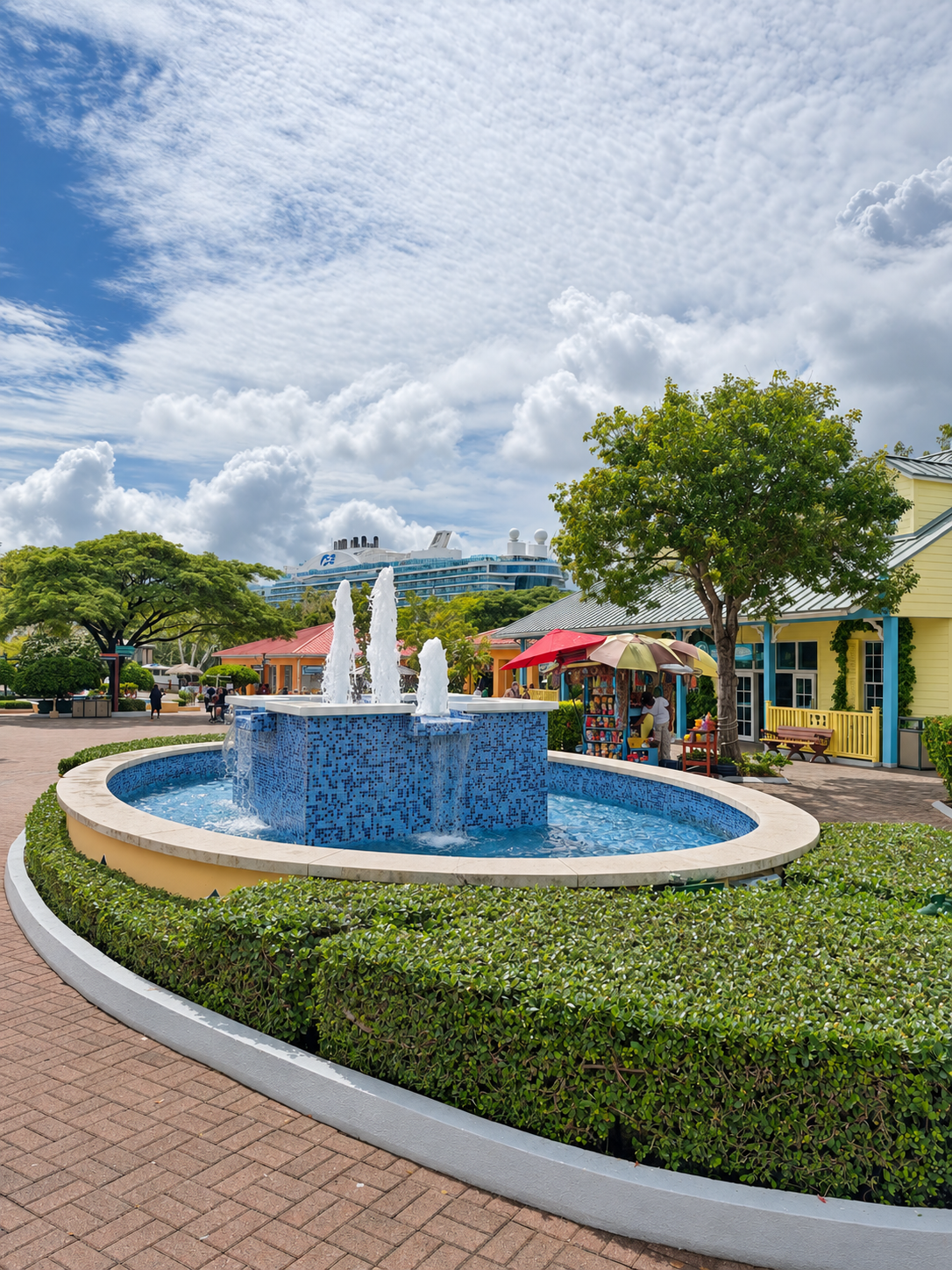
I’m in Isla Tropicale today, the cruise port on Roatán that many travelers still know as Mahogany Bay. A call here puts beaches, snorkeling and diving within reach. It also brings you to an island with a history that can surprise visitors: Roatán belongs to Honduras, but Britain once made it a colony.
That history helps explain the island’s English-speaking Caribbean heritage. It also gives you a good reason to look beyond the cruise terminal, whether you have a few hours ashore or a week to spend by the reef.
My snorkeling day with Roatán Five Stars
I snorkeled with Roatán Five Stars Tours during this visit and had a fantastic experience. They get a wholehearted recommendation from me. Snorkeling was a highlight of my day on the island, and I would happily book with them again.
If you are visiting by ship and want to spend part of your day on the water, put Five Stars on your shortlist. You can explore their snorkeling trips and island excursions here. Tell them your ship and arrival port when discussing the day you have in mind.
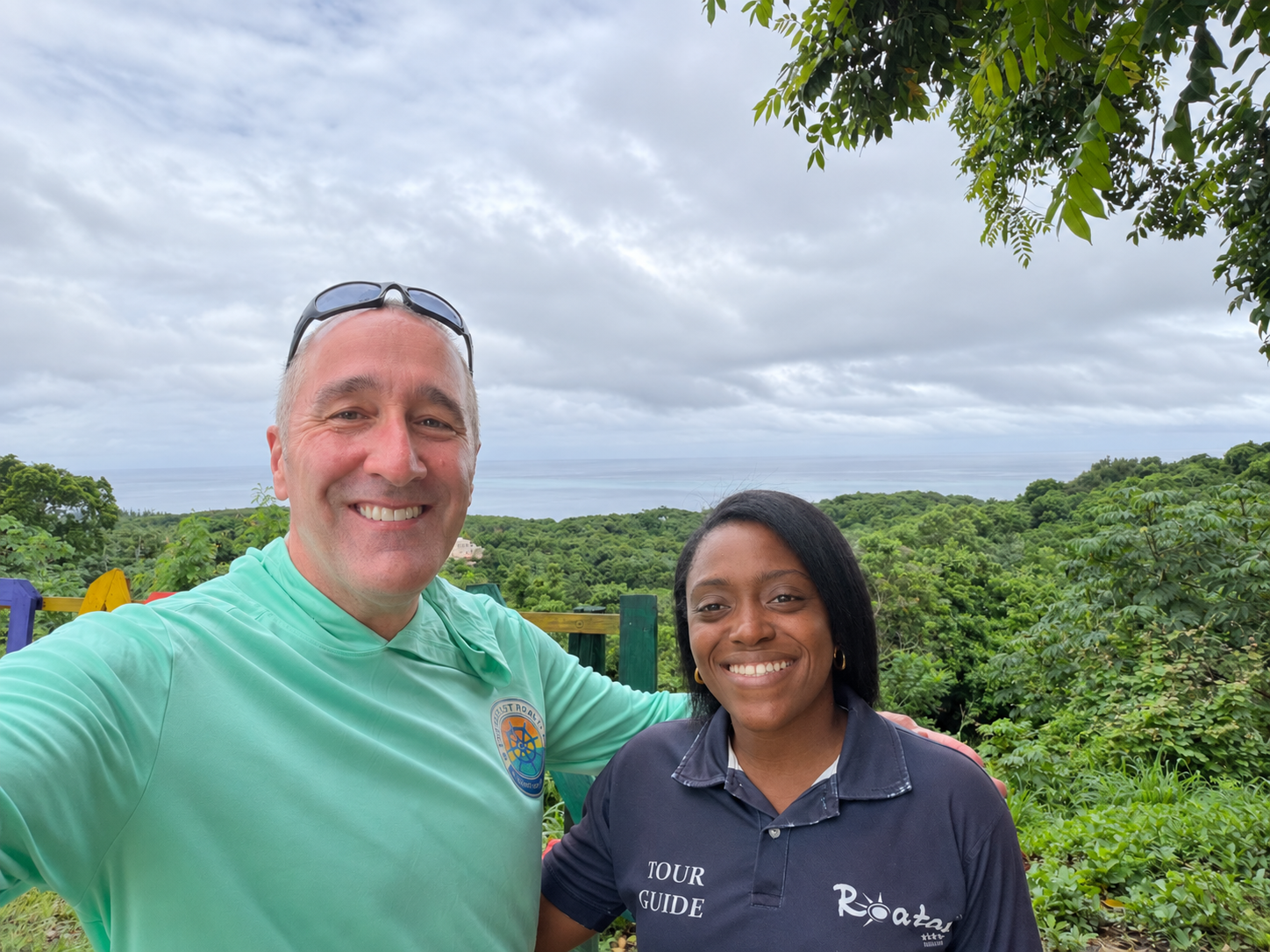
How a Honduran island became a British colony
Indigenous communities lived on Roatán long before European powers competed for the Bay Islands. Archaeological research by the University of South Florida and the Honduran Institute of Anthropology and History traces those earlier communities and their regional connections.
Britain’s later presence left a different set of connections. During the nineteenth century, settlers arrived from the Cayman Islands and elsewhere in the British Caribbean, including free Black families who built English-speaking island communities. Their descendants helped shape Roatán’s language, religious life and maritime traditions.
In 1852, Britain formally established the Colony of the Bay Islands, including Roatán. Queen Victoria’s government had added another small possession to the empire. It had also created a diplomatic problem.
The United States and Britain had signed the Clayton–Bulwer Treaty in 1850 to manage their rivalry over a proposed canal through Central America. The route then under discussion ran through Nicaragua. Control of Caribbean territory mattered because both powers wanted influence over the approaches to a future crossing between the Atlantic and Pacific.
The Bay Islands became part of that larger argument. A House of Commons debate in 1857 captures the negotiations in progress: Britain wanted protections for settlers and their property, while American senators challenged conditions that would limit Honduran sovereignty.
Britain and Honduras finally signed the Wyke–Cruz Treaty in 1859, recognizing the Bay Islands as part of Honduras. Ratification followed in 1860, and the agreement took effect in 1861. That sequence explains why accounts sometimes give different dates for the end of British rule.
The political settlement left the island’s Caribbean connections intact. English and Creole speech remain part of Roatán’s heritage, alongside Spanish and the island’s Garifuna language and culture. The people who live here carry a more complicated story than a change of flag can tell.
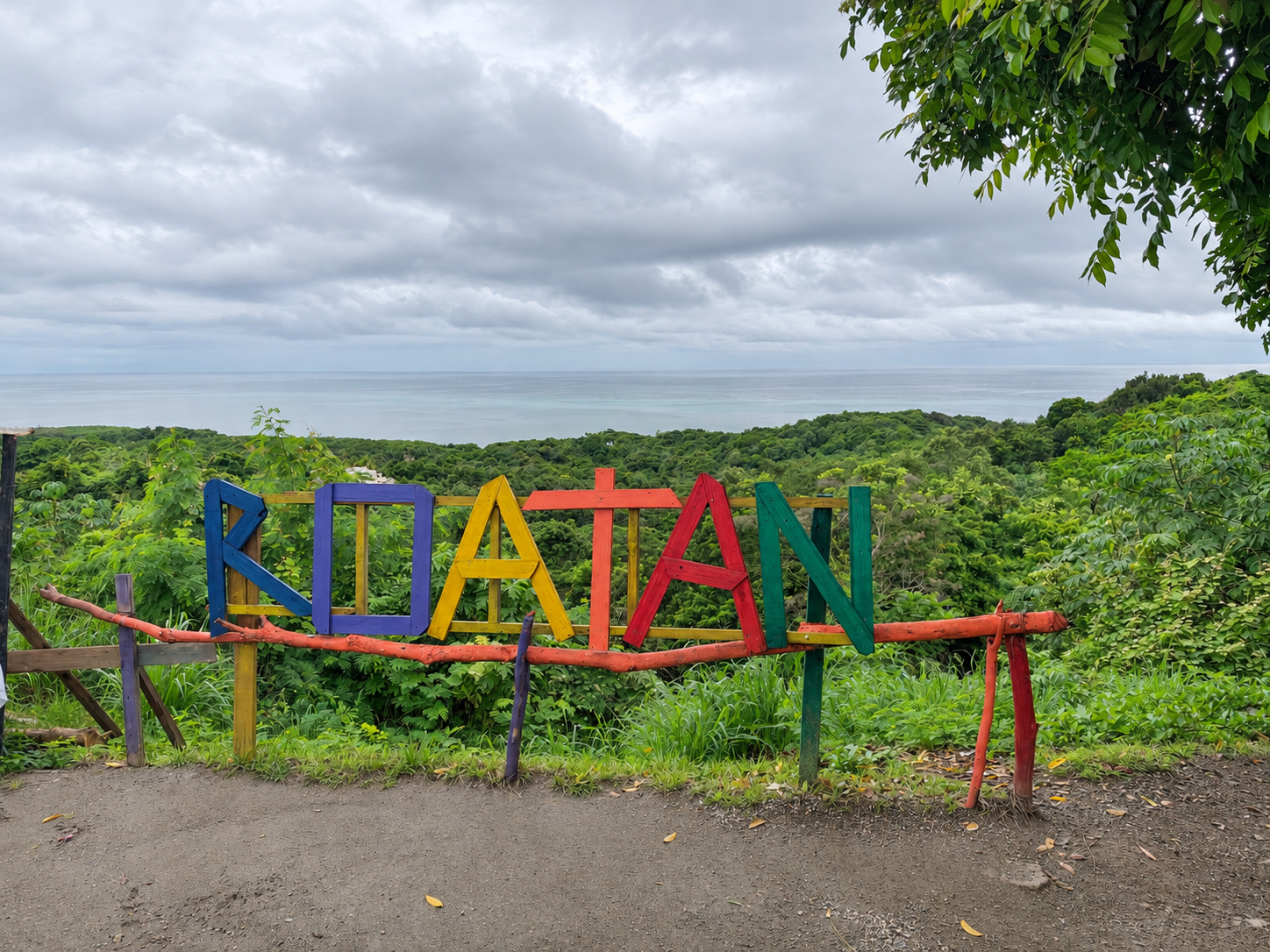
Punta Gorda tells another part of the story
Britain also shaped Roatán through forced exile. In 1797, British authorities deported Garifuna people from St. Vincent to the Bay Islands after defeating their resistance. The Garifuna brought a culture with African and Indigenous Caribbean roots. Many later moved to the Central American mainland; a community remained on Roatán.
Punta Gorda, on the island’s north shore, preserves that connection. Honduras’s tourism authority identifies it as the Garifuna gateway to Central America. A visit with a local guide can introduce you to the community’s history, food, language and music through the people who sustain them.
If that interests you, give it room in the day. I would plan a visit around a conversation and a meal, then fit other stops around it. Trying to combine Punta Gorda, a western beach and a dive excursion in one port call would leave little time to enjoy any of them.
Visiting Roatán from a cruise ship
Start by checking your arrival port. Roatán has two main cruise terminals: Isla Tropicale, formerly Mahogany Bay, in Dixon Cove, and the Port of Roatán at Coxen Hole, also called Town Center. Your pickup point and transfer arrangements need to match the right one.
Isla Tropicale offers beach access, a chairlift and the Mangrove Bay pool among its attractions. Staying within the port complex can suit someone who wants a straightforward day near the ship. Exploring farther afield opens up more of the island.
For a beach and snorkeling day
West Bay offers a beach base with restaurants, resorts and dive operators. A resort day pass can simplify the arrangements, but check exactly what it covers: transportation, chairs, equipment, guided snorkeling and food may come separately. West Bay and West End are different places, so confirm the location when booking.
For snorkeling, choose an operator who matches the outing to your swimming ability and the day’s conditions. A guide can help you find a suitable route and explain what you are seeing.
For a dive day
Arrange the dive around the ship’s actual hours in port. Share your certification level, recent experience and equipment needs before booking. Ask when the boat returns and how you will get back to your terminal. A ship excursion or an independent operator can work; the complete schedule matters.
For history and island life
A guided visit focused on Punta Gorda offers a different introduction to Roatán. Tell the guide that local history and Garifuna culture interest you, and ask what the community offers that day. Keep the route realistic and leave a generous margin before the ship’s all-aboard time.
When a port day becomes a reason to return
Roatán sits within the Mesoamerican Reef system, which connects the Caribbean coasts of Mexico, Belize, Guatemala and Honduras. A longer stay lets you spend more time exploring it and leave room for island visits between dives.
The right resort depends on how you want the week to unfold. Three examples show the range.
Anthony’s Key: a resort stay with diving built around it
Anthony’s Key offers bungalow accommodations and a base resort package that includes meals and airport transfers. Guests then add diving or snorkeling packages. Its current dive choices range from a smaller number of boat dives to a fuller six-day program.
I would consider it for travelers who want organized diving within a broader resort stay, particularly when companions have different interests. Compare the room location and each person’s activity package carefully.
CoCo View: a week centered on diving
CoCo View combines boat diving with shore access in its “Front Yard,” including reef, walls and the Prince Albert wreck. The resort advertises round-the-clock shore access for guests, giving qualified divers flexibility alongside the boat schedule.
It deserves a close look if diving will organize your days. Ask about the orientation, shore entry and experience requirements so the setup matches your abilities and comfort.
Bananarama: a casual base on West Bay Beach
Bananarama combines beach and garden accommodations, restaurants and an on-site PADI dive center on West Bay. It also welcomes cruise day-pass visitors.
I would compare it for a couple or group who want diving alongside an active beach setting. Day visitors contribute to that atmosphere, so consider how much quiet you want when choosing where to stay.
Plan the whole trip around the way you travel
For a dive vacation, compare the complete package: accommodations, meals, transfers, boat dives, shore access, rental gear, taxes and marine park fees. Check what nondiving companions would enjoy, too. Build the appropriate interval between your final scuba dive and your flight into the itinerary, following Divers Alert Network guidance and your dive operator’s requirements.
For a cruise, look closely at the time ashore when comparing itineraries. For a longer resort stay, start with your preferred balance of diving, beach time and exploring.
My day in Roatán brought together a cruise arrival at Isla Tropicale and a wonderful snorkeling outing with Five Stars. The island’s history adds another reason to return: a short-lived British colony, enduring Garifuna and island communities, and a reef that rewards more time.
If Roatán interests you, tell me what you would like to do here. I can help compare a cruise visit with a longer stay and find the arrangements that fit your pace.
Sources and further reading
- University of South Florida: Archaeology and Indigeneity on Roatán.
- Cambridge University Press: Honduras/Bay Islands English.
- Black Central Americas: Roatán’s Garifuna and Creole communities.
- UK Parliament: creation of the Bay Islands colony.
- U.S. Department of State: Clayton–Bulwer Treaty and canal rivalry.
- The Historical Journal: Great Britain and the Bay Islands, 1821–61.
- Smithsonian: Garifuna history and culture; Honduras Tourism: Punta Gorda.
- Roatán Tourism Bureau: Port of Roatán.
- Anthony’s Key resort packages and dive packages; CoCo View diving; Bananarama Dive & Beach Resort.