Best Practices for Touring Iceland (and How to Time It Right)
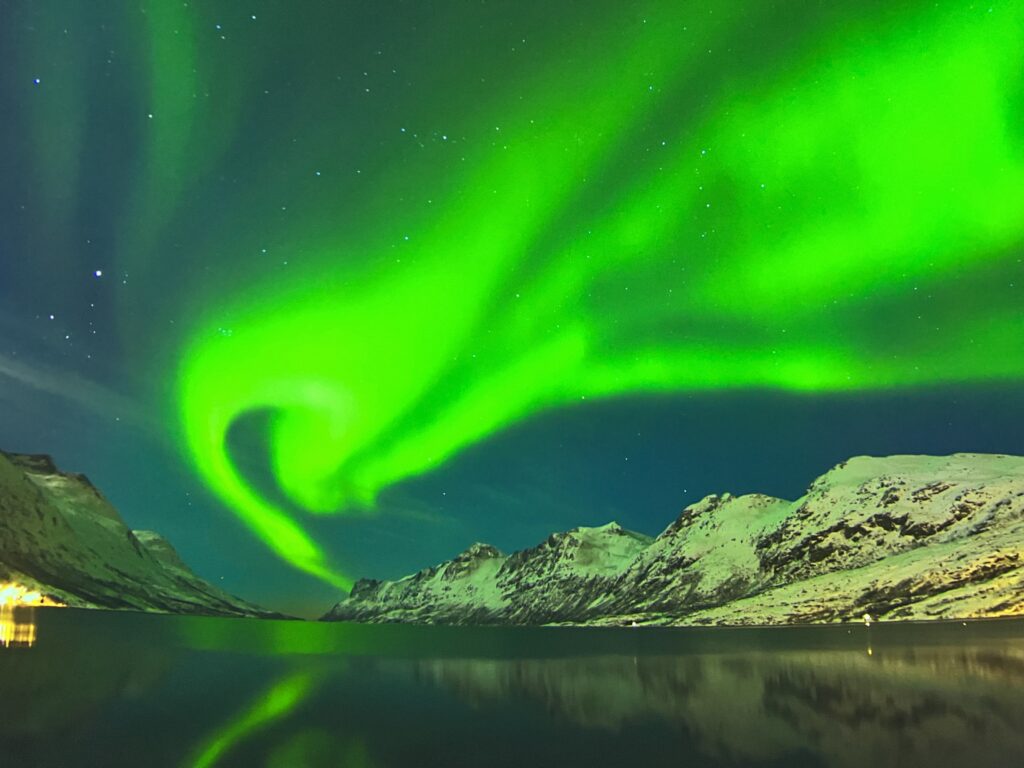
The weather in the Mid-Atlantic this week has prompted me to shift my focus to one of my favorite destinations: Iceland. Iceland is one of those places that rewards preparation and punishes improvisation. Distances are longer than they appear, weather changes fast, and costs can escalate quickly if plans are loose. When approached thoughtfully, however, Iceland delivers an experience that feels genuinely singular—especially for travelers from the U.S. East Coast, where flight times are short and access is excellent.
What follows is a practical guide to touring Iceland well: when to go, how to structure your trip, what pricing looks like from the Mid-Atlantic, and why August 2026 deserves special attention.
Pace matters more in Iceland than almost anywhere else
The most common planning error is trying to see the entire country in one pass. While Iceland’s Ring Road circles the island in roughly 830 miles, driving it too quickly turns the trip into a checklist exercise—and leaves little margin for weather delays, road closures, or simply stopping when the scenery demands it.
For first-time visitors, a focused approach works best. Reykjavik paired with the Golden Circle and the South Coast as far as Vík or Jökulsárlón delivers waterfalls, glaciers, black-sand beaches, and geothermal landscapes without exhausting the traveler. A full Ring Road itinerary is better reserved for trips of eight to ten days or more, particularly outside the height of summer
The best time to visit depends on what you value most
Late June through August is Iceland’s peak season. Daylight stretches late into the night, highland roads are open, and driving conditions are at their easiest. It is also the most crowded and most expensive time of year. Popular stops can feel congested mid-day, hotels book far in advance, and rental cars command premium rates.
Shoulder season—late April through early June and September into early October—is often the best overall value. You still get ample daylight, significantly fewer tour buses, and more favorable pricing on lodging and vehicles. September is particularly appealing, offering fall colors, cooling crowds, and the return of darker skies later in the month.
Winter offers the lowest prices but comes with tradeoffs: limited daylight, unpredictable weather, and restricted access beyond the southwest. Winter travel works best for travelers focused on Reykjavik, geothermal spas, and Northern Lights rather than extensive self-driving
August 2026: a rare reason demand will spike
August 2026 is an outlier year. A full solar eclipse will be visible from Iceland, and it is expected to drive a surge in international travel, particularly around Reykjavik and along the south and west coasts where viewing logistics are simplest.
Virgin Voyages even has designed a cruise around the event.
Travelers interested in Iceland during this period should plan now. Airfare, hotels, and guided experiences are likely to sell out well in advance, and pricing will reflect the increased demand. For eclipse-focused trips, flexibility in lodging type and location will be important.
What flights from the Mid-Atlantic typically cost
One of Iceland’s strongest advantages for East Coast travelers is proximity. Nonstop flights from Washington-area airports reach Reykjavík in just over five hours eastbound.
From the Mid-Atlantic—Washington Dulles, Baltimore, and Philadelphia—round-trip economy fares in shoulder season commonly range from roughly $450 to $700 when booked strategically. Peak summer pricing more often falls between $750 and $1,000, with August 2026 likely exceeding that due to eclipse demand.
Premium-cabin pricing is more variable. Sales do appear, but Iceland’s popularity and limited business-class inventory mean early planning or flexibility on dates and routings can materially improve value.
Self-drive or guided touring?
Self-driving is popular in Iceland, but it is not automatically cheaper or easier. Rental cars are expensive year-round, and insurance is essential. Gravel damage, wind damage, and sudden weather shifts are real considerations.
Guided small-group tours can make sense for shorter trips, winter travel, or travelers uncomfortable with unpredictable driving conditions. For peak summer, private or semi-private touring offers flexibility without the logistical burden—and often narrows the cost gap more than travelers expect once rental cars, fuel, and parking are factored in.
Many travelers land on a hybrid approach: a few guided days paired with independent exploration based from one or two locations.
Fewer hotel moves usually mean a better trip
Changing hotels every night is rarely necessary and often diminishes the experience. Icelandic accommodations book early, but basing yourself in fewer locations allows you to adapt to weather windows and enjoy places more deeply.
Two or three bases over a week is usually ideal. Smaller guesthouses and countryside lodges often provide the best balance of comfort, character, and value—but they require advance planning.
Final thoughts
Iceland is not a destination to “wing it.” The travelers who enjoy it most are those who align timing, pace, and expectations before they ever board a flight. For Mid-Atlantic travelers, the payoff is exceptional access to a destination that feels profoundly different without requiring extreme travel time.
Whether you are targeting shoulder-season value, planning around the August 2026 solar eclipse, or simply trying to see Iceland without the crowds, careful planning transforms Iceland from a logistical challenge into one of the most rewarding trips in Europe.