Travel With Intention: How the Industry Is Learning to Leave a Lighter Wake
Sustainability is no longer a niche concern in travel. It has become a core expectation for many travelers and a real point of differentiation among suppliers. At Tradecraft Travel, we support travel that is thoughtful about its impact—on places, on people, and on the environments that make travel worthwhile in the first place.
The good news is that the industry is changing. Not perfectly, and not all at once, but in visible and meaningful ways.
On the land side, some of the most compelling progress is coming from tour operators who build their itineraries around local benefit rather than simple sightseeing. Intrepid Travel is often cited as a leader here. Its small-group trips emphasize locally owned lodging, local guides, and experiences that keep spending in the communities travelers visit. In places like Morocco, Vietnam, or Peru, that can mean family-run riads, community kitchens, or cooperatives rather than international chains. Intrepid also reinvests through its foundation, supporting education, women’s empowerment, and environmental projects tied directly to the destinations its travelers enjoy.
Another strong example is G Adventures, which helped pioneer community-based tourism through its “G for Good” initiatives. Travelers might stay in a village homestay in the Andes, visit a Maasai-run cultural enterprise in East Africa, or dine at a women-owned restaurant collective in Southeast Asia. These aren’t add-ons for marketing copy; they’re built into the trip design so that local people benefit directly from tourism rather than being pushed to its margins.
Even more bespoke operators are moving in this direction. Kensington Tours, known for private, tailor-made itineraries, increasingly highlights conservation-minded lodges, private guides trained in cultural stewardship, and experiences that limit environmental strain while still delivering depth. Sustainability here is quieter, but no less real: fewer guests, better-paid guides, and a focus on preservation rather than volume.
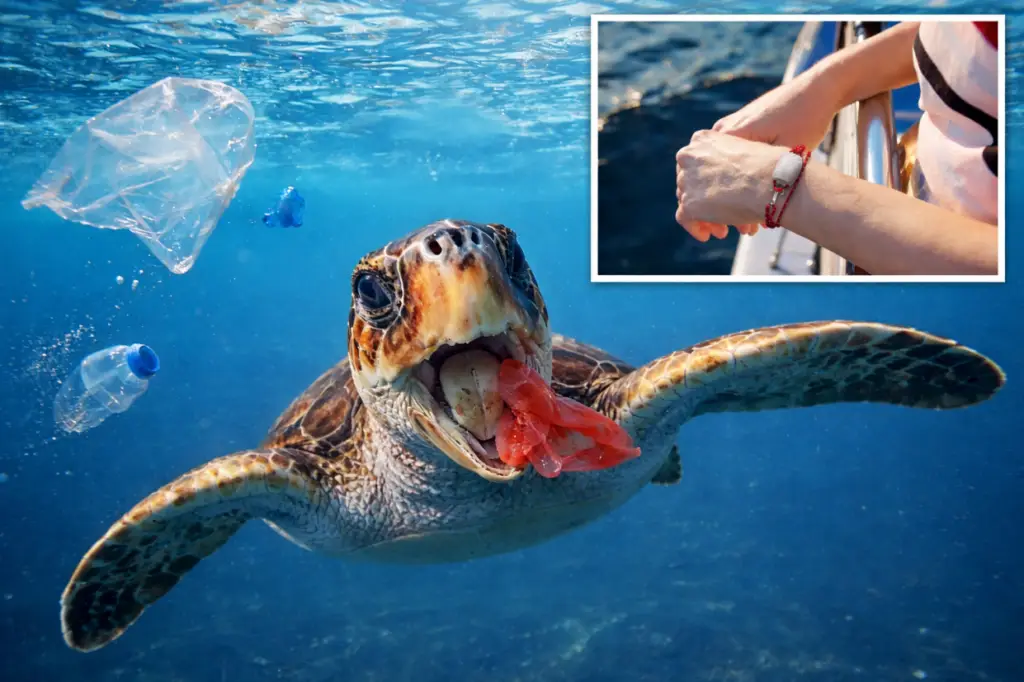
Cruising, often criticized for its environmental footprint, is also evolving—slowly, but measurably. My most recent sailing on Virgin Voyages offered a clear, tangible example of what that change can look like in practice. Virgin has eliminated single-use plastics onboard, from straws to packaging, and even its wearable wristbands are made from over two pounds of recycled ocean plastics. Those may sound like small steps, but at scale—thousands of passengers, ship after ship—they matter.
Virgin also avoids buffet food waste by cooking to order, bans disposable water bottles in favor of refillable systems, and partners with organizations focused on ocean health. It’s not a claim of perfection, but it is a deliberate attempt to rethink how a modern cruise line operates.
Other major cruise brands are making parallel moves. Royal Caribbean has invested heavily in LNG-powered ships and advanced wastewater treatment systems. Norwegian Cruise Line has reduced single-use plastics fleet-wide and increased shore-power connectivity in ports where it’s available, allowing ships to plug in rather than burn fuel while docked. MSC Cruises has gone even further on LNG adoption and onboard energy efficiency, particularly in Europe.
Final thoughts
Sustainable travel does not mean zero impact. That’s not realistic. It means better decisions: smaller groups, longer stays, locally rooted experiences, cleaner operations, and suppliers willing to invest in the places that sustain their business.
For travelers, the takeaway is simple. You increasingly don’t have to give up comfort, depth, or even luxury to travel responsibly. You just need to be intentional about who you travel with and how your trip is designed.
That’s where Tradecraft Travel comes in. We look past the brochure language and ask practical questions: Who benefits locally? What’s being reduced, reused, or reinvested? And does the experience actually respect the destination, or just consume it?
Travel done well leaves a place better than it found it—or at least no worse off. That’s the standard we aim for, and the direction we’re seeing more of the industry move.