Cruising for the First Time: Why It’s Less Intimidating Than You Think
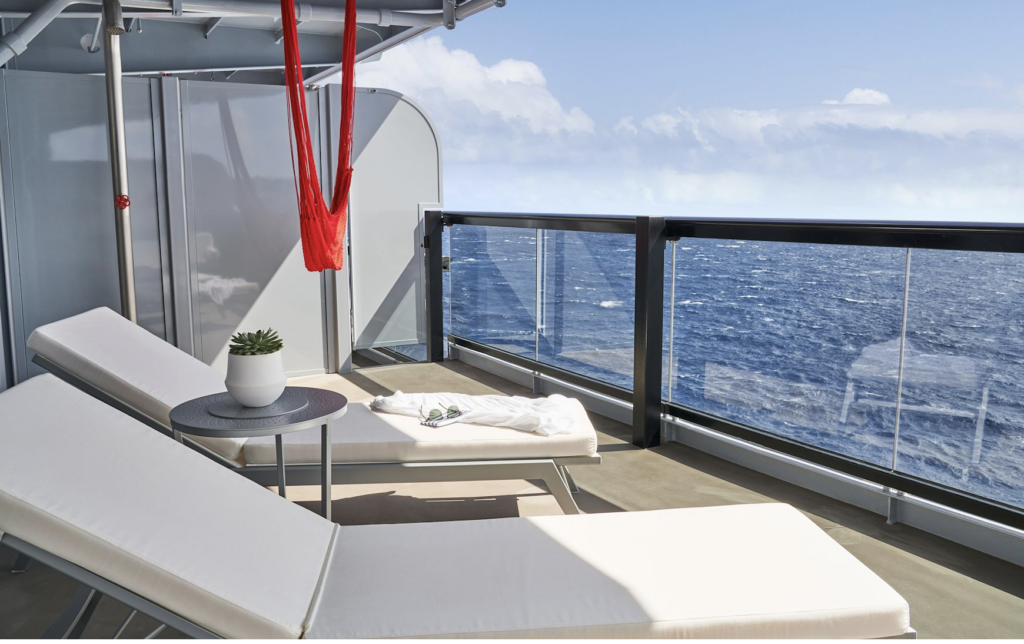
On my recent Virgin Voyages cruise I met a wonderful solo traveler who told me he was late to cruising and wished he had discovered it much earlier. My chat with him led me to write this post.
For those who have never cruised, the idea can feel overwhelming. Large ships, unfamiliar routines, and outdated stereotypes often drive anxiety. In reality, modern cruising is designed to reduce stress, increase flexibility, and deliver strong value—especially for first-time cruisers. Further, there are so many vendors that there are good options for everyone.
This post addresses common cruise fears, debunks persistent myths, and explains why cruising is often easier and more cost-effective than land-based travel.
Myth #1: You Lose Control on a Cruise
One of the most common fears about cruising is loss of independence. Many first-time cruisers imagine rigid schedules and being herded from place to place. In practice, cruises offer more personal choice than most guided land tours.You decide when to wake up, where to eat, which activities to attend, and whether to explore ports independently or simply relax onboard. There are no mandatory excursions, no daily roll calls, and no requirement to socialize unless you want to.
Myth #2: Cruise Ships Are Always Crowded
Large ships carry many passengers, but that does not mean constant crowds. Modern cruise ships are intentionally designed to spread people out across multiple restaurants, lounges, theaters, and outdoor spaces.Many ships also include adults-only areas, quiet lounges, private balconies, and smaller specialty venues. For travelers who want an even calmer environment, small-ship and yacht-style cruises like Windstar provide a quieter, more intimate experience.
Myth #3: The Food Is Basic or Low Quality
The buffet stereotype lingers, but it is no longer an accurate reflection of cruising. Most cruise lines now emphasize restaurant-style dining, flexible seating, and high-quality ingredients. Multiple dining venues are standard, dietary restrictions are handled efficiently, and you can eat when it suits you. Compared with land tours—where dining options can be limited by location or group schedules—cruises often offer more variety and consistency
Myth #4: Cruising Is Less Safe or Less Healthy
Cruise ships operate under strict international safety and sanitation regulations. They have onboard medical facilities, controlled boarding processes, and structured health protocols. From a practical standpoint, cruising also reduces common travel stressors: no daily hotel changes, no hauling luggage through transit hubs, and no navigating unfamiliar transportation systems on your own.
Who Cruising Works Well For
Cruising is particularly well suited to first-time international travelers, solo travelers who want optional social interaction, retirees who value comfort without boredom, and travelers who want to see multiple destinations without constant repacking. It is not a one-size-fits-all product, but when matched properly, cruising serves a broader range of travelers than most people expect.
Comparing Cruise and Land Tour Costs
One of the clearest advantages of cruising is value transparency although many face sticker shock. A typical seven-night cruise priced around $1,600 per person breaks down to approximately $225 per day. That daily cost usually includes accommodations, transportation between destinations, most meals, onboard entertainment, and access to ship amenities like the gym.
By contrast, a mid-range land itinerary often looks like this:
Hotel: $250–$350 per night
Meals: $60–$100 per day
Transportation, guides, and attractions: $50–$150 per day
It is common for land-based travel to exceed $400–$500 per day once all costs are included—often with tighter schedules and fewer built-in conveniences.
The Hidden Convenience Advantage of Cruising
Cruising simplifies travel in ways many first-time cruisers underestimate. You unpack once. Your room moves with you. You wake up in new destinations without changing hotels, checking out early, or managing luggage. This makes cruising a particularly convenient way to tour areas like the Mediterranean and Caribbean. That convenience often translates into deeper relaxation and more energy to actually enjoy each destination.
Why Many First-Time Cruisers Become Regulars
Many people who insist they are “not cruise people” discover that their fears were based on outdated assumptions. Modern cruising is flexible, customizable, and far more refined than its reputation suggests.
For travelers who want to reduce logistical friction, control costs, and sample multiple destinations comfortably, a well-chosen cruise can be an ideal introduction to travel by sea.
Cruising is not about giving something up. For many first-time travelers, it is about gaining ease, value, and confidence—without sacrificing choice or comfort.
It is also about working with an advisor to find the cruise offerings that best align with how you travel.